
15 Years Of Freda’s: David Abram Reflects On What’s Been And Gone, And What’s To Come
 Eloise Luke
Contributor | Urban List
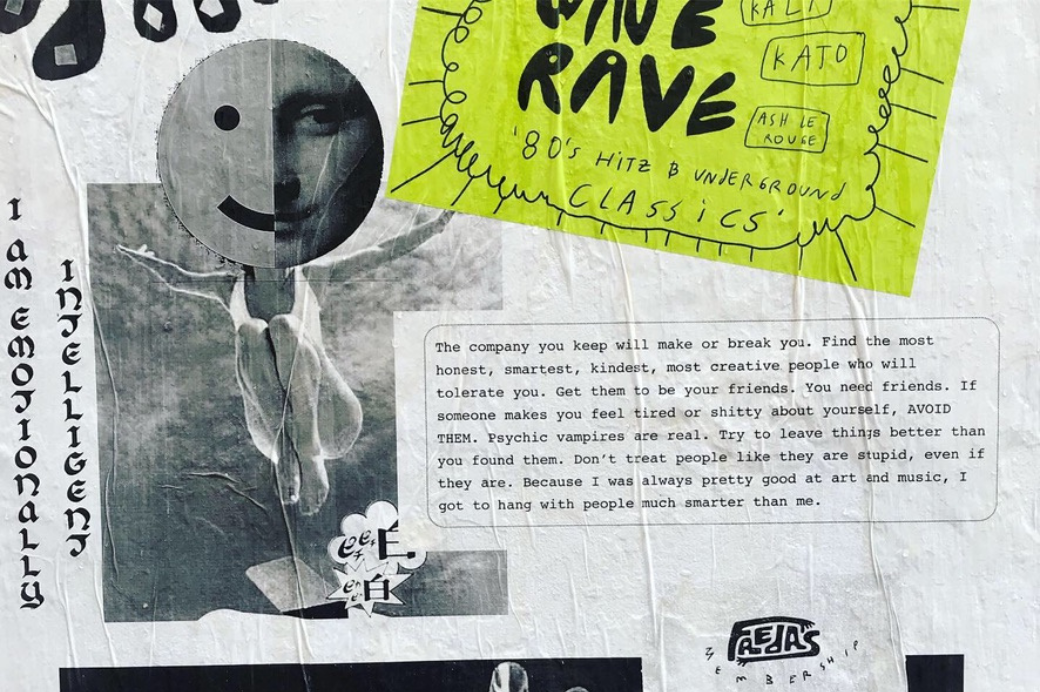
A little over a month ago, Freda's founder David Abram and his partner Carla Uriarte announced they'd be wrapping up Bar Freda's at Chippendale's Abercrombie Hotel, bringing their year-long consultancy with Solotel to a close. However, Freda's has never been about standing still.
In fact, across its different iterations, the concept of Freda's has consistently evolved with the city around it; shifting shape, testing ideas, resetting when the time calls for it. So its latest move should really be read as more of a recalibration.
I managed to catch David off the back of a recent move—it’s said that change has the power to ripple across all areas of our lives, and it becomes clear, the longer we talk, that a shift is taking place in his artistic expression. For the time being, however, he’s just enjoying the chance to reset.
“It’s the first time we’ve been able to stop for a long time and take a breather, and it’s been an opportunity to look back and be reminded of how much we did. Fifteen years is a long time,” David tells me.
“You don’t really get long service leave in this industry, so even though it’s an unexpected pause, it’s a chance to recharge,” he chuckles.
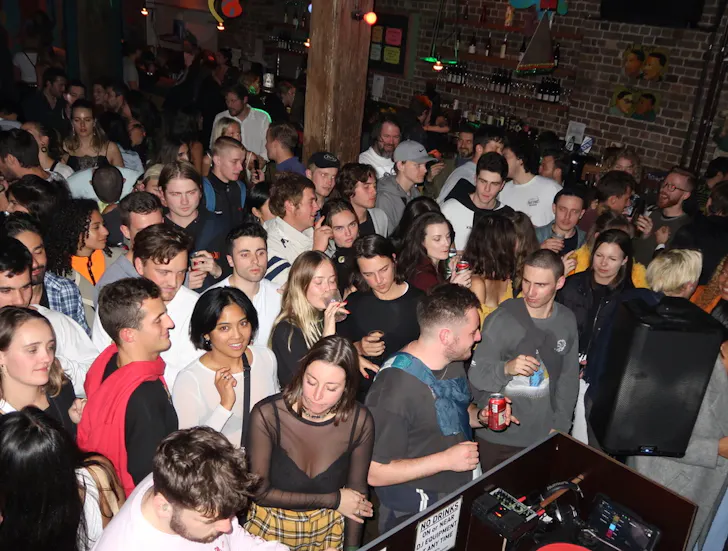
He’s right—in fifteen years, Sydney has seen a multitude of culture-defining shifts. When David first started Freda’s, he was 27, putting on parties at GOODGOD Small Club—a now-closed late-night venue by Hana Shimada and Jimmy Sing—and DJing regularly at The Cricketers. Now, at 43, with a young daughter, Freda’s is naturally evolving in tandem with the changes in his own life.
“It’s been a really weird time across nightlife, hospitality, world politics and all the rest over those fifteen years, and we’ve just gone along with that ride,” David reminisces.
“We’ve always tried to find a way to provide space for people to enjoy themselves, and space for culture and music. I guess we have a lot of pride, and just happiness that we’ve done something people have engaged with for so long.
“We’ve gotten older, and grown up alongside it.”
In many ways, the first iteration of Freda’s pioneered many of the concepts echoed across the multitude of new openings and hospitality groups we’re seeing today. Across its initial nine-year stint in Chippendale, the bar weathered lockout laws and rising rents before the pandemic ultimately forced its closure.
“It was something that really evolved over time. Fundamentally, a bar with a DJ focus was a key criteria—something that seems so commonplace today, but absolutely wasn’t back then,” David explains.
“We did a farewell, but it felt like an unclosed chapter—restrictions, half capacities, people having to sit down at shows. It didn’t feel complete. So when The Abercrombie came up, part of it was that ‘what if?’”
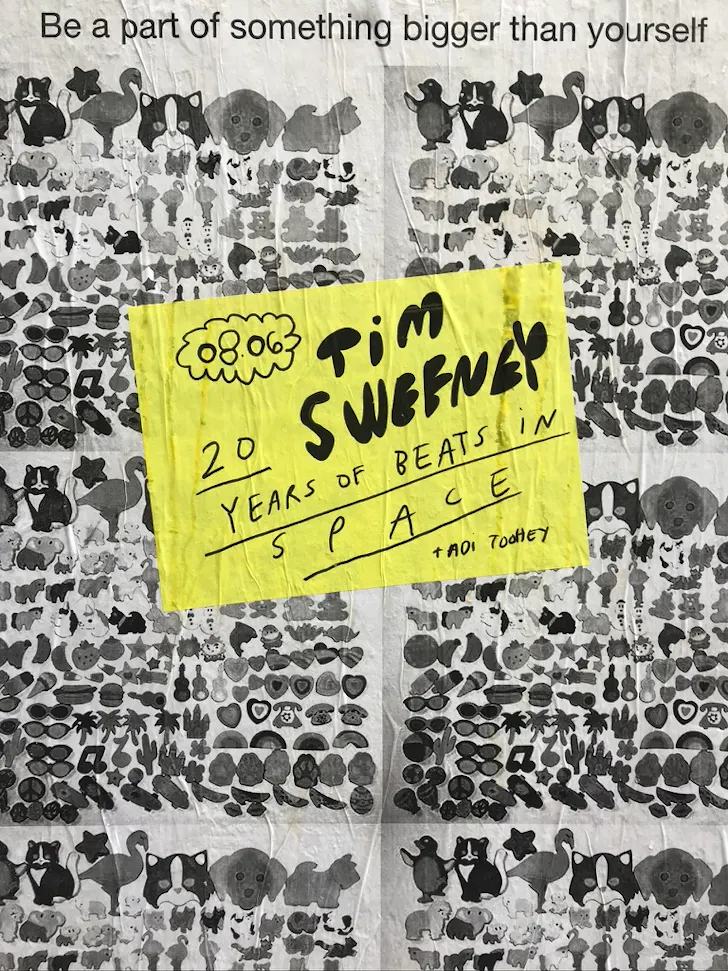
It's widely known that Sydney doesn't give venues much room to coast, those that endure are usually the ones very much embedded in their community and responsive to the culture around them. Evidently, Freda’s has both.
“It starts with your friends supporting you, and that becomes part of the energy,” he says.
“It seems strange now, post-lockout and post-pandemic, but around 2010 to 2011 there was something really bubbling at the surface in Sydney. I felt like starting Freda’s was driven by that creative energy."
David goes on to explain that Freda's approach was never really about chasing a single scene, but presenting a broad mix of music, art and culture and letting it build over time. He notes that as a that perspective settles in, people start to recognise it, and that consistency is what draws in a regular crowd, gradually forming what he describes as a kind of "tribe" around the venue.
For me, that diversity is exactly what draws in an audience. Hospitality can sometimes slip into a kind of uniformity at times, and the media that surrounds it often follows suit. Abram refers to it as "vanilla", we laugh, though we both agree the culture may be shifting.
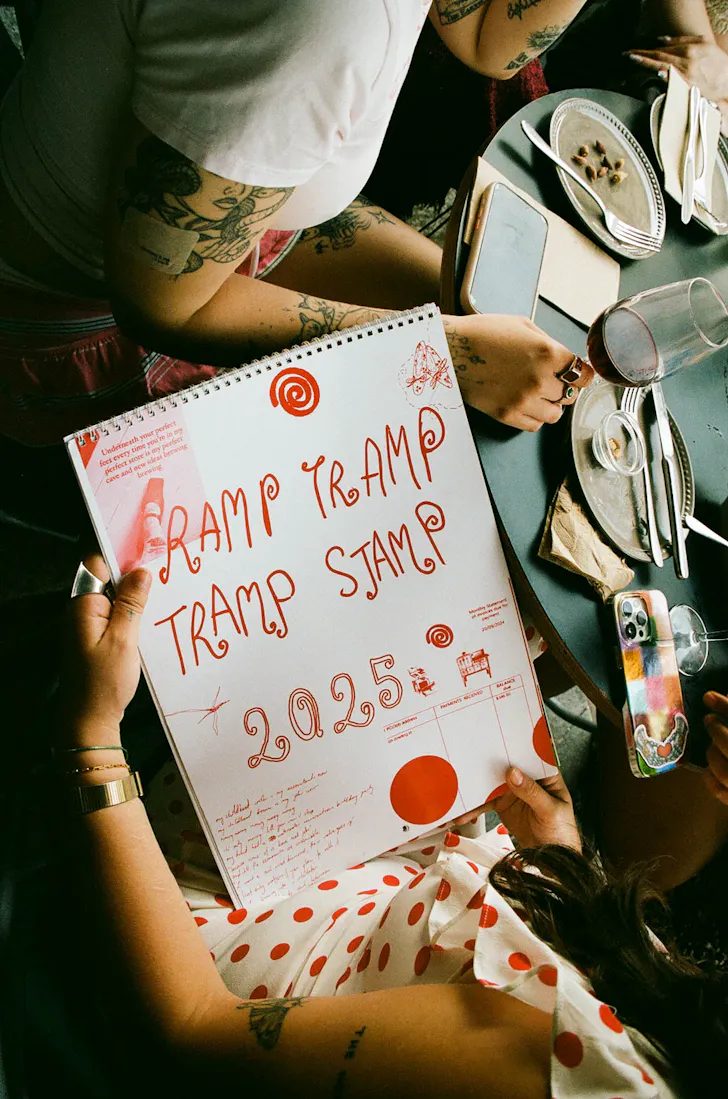
Either way, Freda’s has always maintained an original, fresh and unexpected approach to nightlife—whether that’s in the form of leftifield dance music, hardcore punk nights or an eight-piece Ghanaian ensemble.
“There’s something about Sydney where we lean into things that are easy to process. I’ve always wanted to offer something where you’re surprised—something you haven’t heard before, or a performance that shifts your perspective,” he says.
“But there are still great operators, and in some ways Sydney feels like it’s not far off where it was in the early 2010s—more people doing interesting things, more space becoming available, and more of a focus on music.”
To go through the archives of Freda’s is to witness an anthology of Sydney’s underground music scene—a small but lasting imprint on the city’s nightlife culture.
“There are also moments where you kind of pinch yourself,” he reflects.
“We did a show with Severed Heads—an iconic 80s electronic group who hadn’t played in years—doing a warm-up gig for an overseas festival."
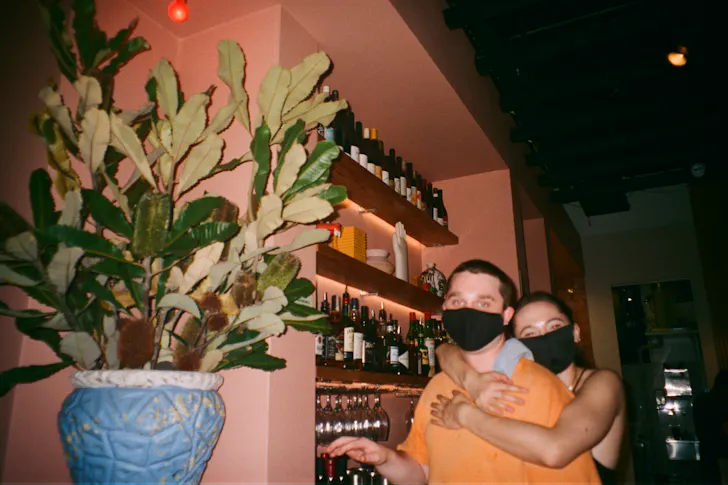
“You also see artists come through and end up having careers overseas. People who played their first sets with us ended up touring in the UK and Europe and producing great music. There are lots of those little stories that stand out.”
It’s at this point I tell David he should think about writing a book—a joke, but not entirely unfounded. These are just a few snippets of the connections he’s fostered over the last decade, and it feels like unpacking them all would take a much longer phone call.
“The hard thing is trying to remember everything, but looking back through the archives has been really nice,” he reflects.
So what’s next for Freda’s?
While there may not be a week-in, week-out physical space for now, David and Carla are looking to find their footing across some of Sydney’s best event spaces—wrapping up a Friday night residency at The Ace Hotel this month—the first Freda’s appearance since closing up shop.
“We’ve realised through this experience that we really do love putting on parties and events, and I don’t think that changes,” David says.
“It gives us a different way of thinking—doing more bespoke things, working with different spaces and people we really respect. We’re also planning smaller things—markets, creative workshops, and other cultural activations—which we’ve hosted in different ways over the years.”
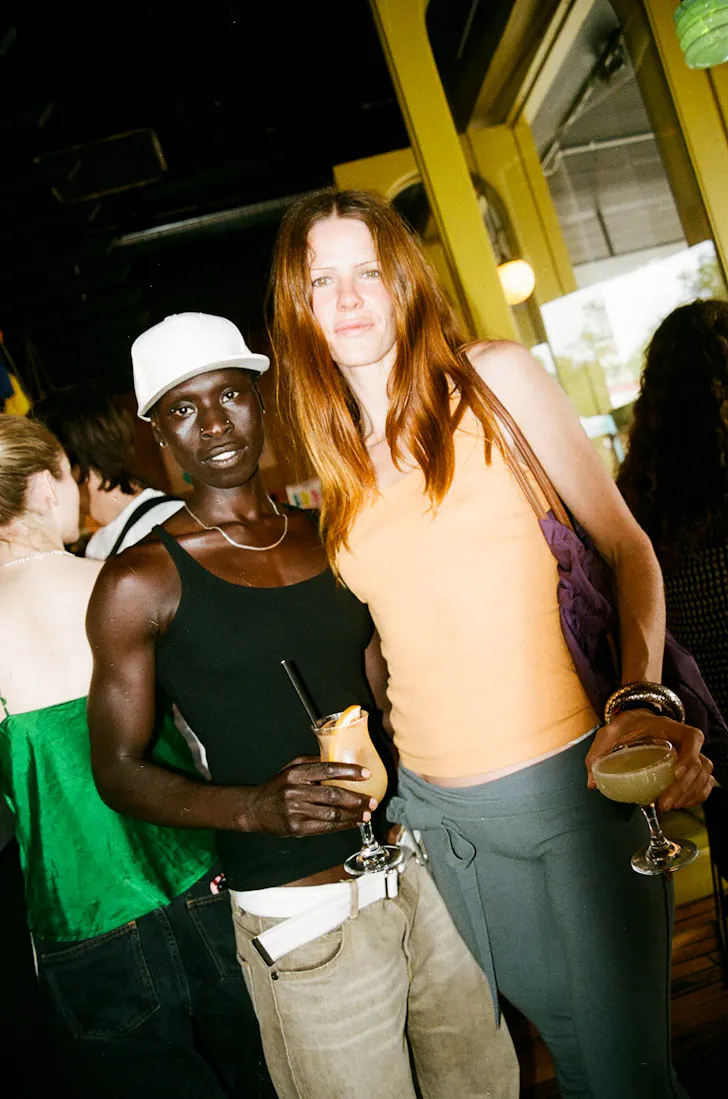
Part of this shift sits with the wider community. We’re in a night-out deficit—chasing trend cycles and one-off experiences over regular returns to the same venues. And yet, when a venue closes, the response is often one of collective mourning. The recent social media outcry over the brief closure of Chinese Noodle House is proof enough—Bar Freda’s a close second.
“People always remember the nights that are busy, but don’t realise all the nights that are empty. Supporting venues consistently matters,” David says.
“More than ever, these spaces are going to become meaningful. As technology and politics take us down a tricky path, being out in person—in spaces where you can meet someone new, hear music, and just experience things in a really human way—is more important than ever.
“If we don’t support those spaces, once they’re gone, they’re gone. New places will open, but places that are there for a long time and grow with a city are really important to its fabric.”
But if one thing is certain, it’s that as long as Sydney is standing, some iteration of Freda’s will exist—and we’re just glad to be along for the ride.
Image credit: Freda's | Supplied

Vivid Sydney 2026: An Editor’s Guide On What To See, What To Eat And How To Get There

Is Sydney’s Live Music Scene Finally Shaking Off Its Lockout Hangover?
