Is Sydney’s Live Music Scene Finally Shaking Off Its Lockout Hangover?
This article is being updated regularly as new information becomes available.
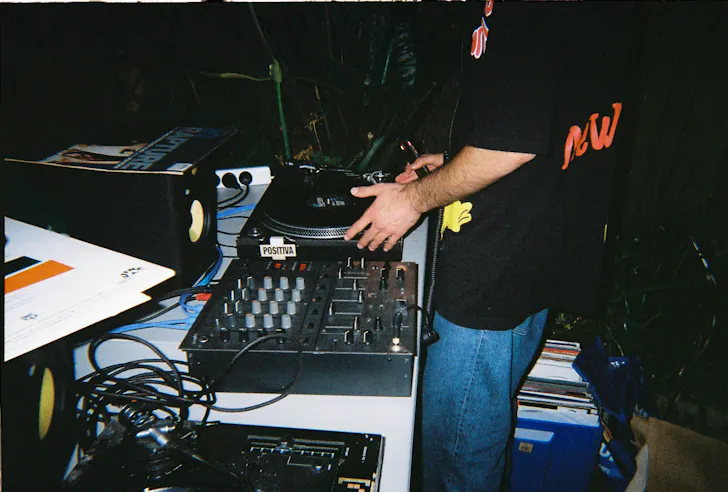
Sydney's live music scene is starting to stir again and if the latest numbers are anything to go by, maybe we're slowly, but surely, leaning back in.
New data from the NSW Government shows the number of venues tapping into live music incentives has quadrupled, a strong signal even if it is coming straight from a ministerial release. But what's more telling, in our opinion, is how venues are actually programming.
Brookvale's 7th Day Brewery (which started out as a crowd-funded operation back in 2016), has jumped from booking 80 gigs a year to 300, while the legends at Coldedale RSL have doubled theirs. It's always good news to hear that live music is being treated more as a regular part of a venue's weekly remit, and given the current state of affairs, a big part of this shift comes down to NSW's 'vibrancy' reforms.
We touched on these reforms a few weeks back when speaking to Odd Culture Group about their plans to open two new venues in Sydney's CBD (one, an underground discotheque inspired by New York's Paradise Garage, the other, a neighbourhood osteria), but essentially, these reforms cut licensing fees and provide fewer barriers to putting bands on. So, in theory, hosting live music becomes less of a financial risk for venues.
We're still yet to see what this all looks like in motion, the real test will be whether crowds return at the same pace venues are booking. For now though, Sydney's live music scene feels like its edging out of recovery mode and we're absolutely onboard with that.
Updated Wednesday 21 January, 2026
After more than a decade of restrictions that rewrote the nightlife script in Sydney, the NSW Government has officially abolished the final major lockout laws that have shaped how we socialise after dark.
What started back in 2014 has now come full circle, with blanket time-based booze curbs and late-night rules being scrapped to give nightlife precincts a fresh lease on life.
What Laws Have Been Removed?
Here’s the lineup of lockout conditions now being lifted across Kings Cross, Oxford Street and the Sydney CBD:
- 3.30 am “last drinks” requirement scrapped — venues no longer have a mandated cut-off time for alcohol service.
- Mandatory use of plastic/public cups after midnight is gone.
- No more RSA marshals required after midnight at certain venues.
- Blanket per-person drink limits removed — if a bar wants to sell shots, they can.
- Ban on promoting shots late at night has been lifted.
Some safety tools will stay, like violent incident registers, crime scene preservation rules and a ban on outlaw motorcycle gang colours but those are more targeted measures rather than sweeping curfews.
How Did We Get Here?
It all began on 21 January 2014, when the NSW Government introduced a suite of regulations aimed at tackling rampant alcohol-fuelled violence in Sydney’s nightlife hotspots. The headline was a 1:30am lockout, meaning no new patrons could enter venues after that time, and drinks had to stop at 3am.
These laws were a direct response to a spate of tragic incidents, including the “coward-punch” deaths of Thomas Kelly and Daniel Christie in Kings Cross, which spotlighted the violent side of late-night partying.
Through the 2010s the laws were progressively softened, the 1:30am lockout was lifted in the CBD and on Oxford Street by 2020, and Kings Cross followed in 2021. Yet even as some curbs eased, a review by Liquor & Gaming NSW found that by 2026 the remaining blanket restrictions were no longer “fit for purpose”, especially in light of declining rates of alcohol-related night-time assaults.
What Impact Did They Have On Sydney’s Nightlife And Economy?
I've worked in hospo media for almost 10 years now and look, there’s no sugar-coating it: the lockout era was damaging to Sydney's after-dark economy.
Live music and venues suffered, over half of Sydney’s music venues closed in the decade following the laws’ introduction.
The city’s global nightlife reputation took a hit, with international visitors and artists often noting the rigid restrictions (Madonna famously couldn't get back into her own after party) with a 2019 parliamentary inquiry suggested Sydney could be foregoing billions in economic activity by not fully embracing its night-time economy.
For many, the character of Kings Cross, Oxford Street and the CBD shifted — foot traffic dipped after hours and late-night buzz gave way to quiet streets.
Now, with these final barriers gone, NSW is banking on a revived night-time economy: bars can stay lively later, live music can flourish without arbitrary cut-offs, and precincts across the city have a chance to reclaim that after-hours energy Sydney used to be known for.
Image credit: Jessica Best
See more Urban List in Google Search.