
Food Writer Becca Wang Shares Her Go-To Lunar New Year Recipes For Year Of The Horse

Let’s face the music: the Gregorian calendar’s New Year's is overrated. What are the established traditions? Champagne, sparklers and an overpriced Uber home from a night out? Sounds like an average Friday night.
In the East, we do things a little differently. Our new year, the Lunar New Year, is based on the lunar calendar and references the 12-year cycle of the Chinese zodiac. In 2026, LNY takes place on 17 February and will be the year of the horse.
How To Ring In The New Year
 For most families, LNY is all about food. There are a few dishes traditional to Chinese LNY–the iconic prosperity toss salad, whole steamed fish, lion’s head meatballs, dumplings and nian gao (sticky rice cake). Still, they are not essential to an “authentic” LNY experience, especially in diasporic households that don’t have access to all the ingredients.
My family (from Sichuan and Xinjiang) make dishes that are special to us, regardless of unconventional motifs, but that’s because we’re not superstitious. After dinner, there are red packets, cracking fortune cookies and a round table of our hopeful wishes for the year.
Recently, I started hosting LNY for my friends, partly for those who don’t come from Asian families to celebrate alongside, and because I love any excuse to stress myself over elaborate cooking (it’s my vice).
Here’s what I’m dishing for a prosperous new year.
Embrace A Multicultural Table
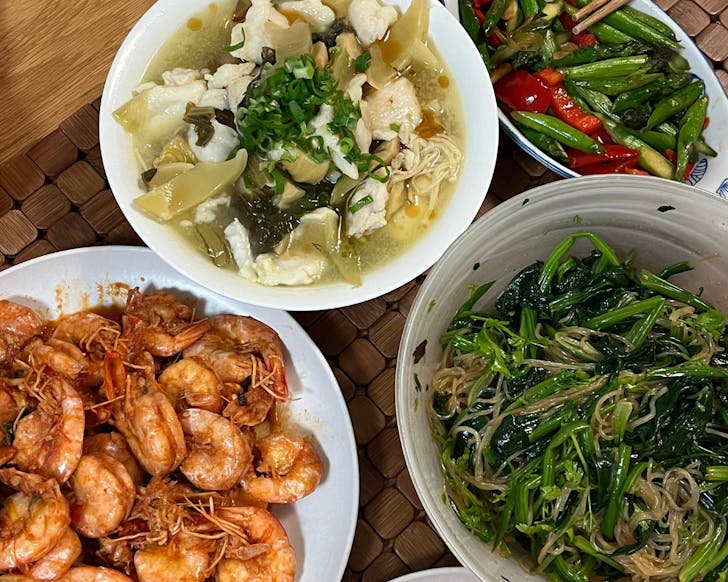 It’s acceptable to have a small selection of Western dishes for LNY, provided the majority of the table comprises Asian food. Because my family has lived in Australia for over 20 years, some “Australian” dishes are going to sneak in, like my signature roasted potato salad, a nice steak and sometimes a raw fish dish (at least with a Chinese dressing of soy, vinegar, chilli and coriander). If anything, it’s just as exciting to have fusion-y dishes if that’s what you’d enjoy cooking.
For extra inspiration, look to Rosheen Kaul, Stephanie Feher, Anna Archibald and Kevin Serai and Tina Choi.
More Is More
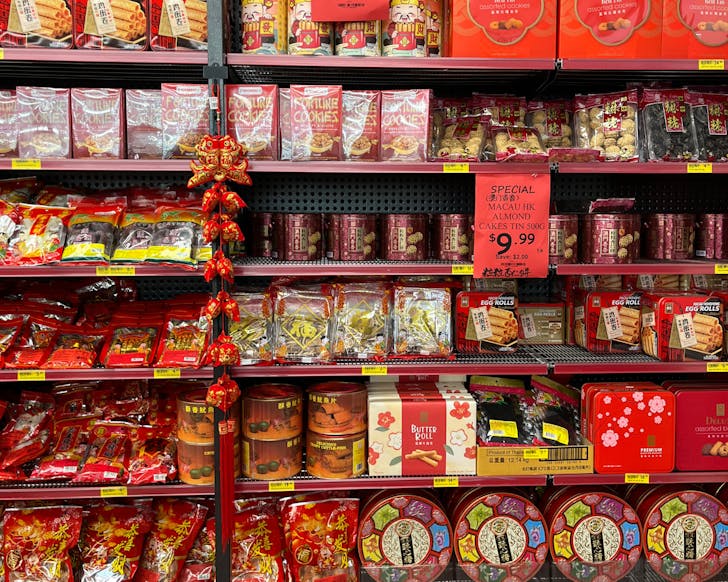 The best part about LNY food is that you can go all out on all texture, colour and presentation fronts. Elegant restraint is not a thing here; use your biggest, most beautiful tableware for the dishes that will take centre stage.
I have a giant fish-shaped plate that I bring out for seafood, and large decorative doilies to line plates with.
If you’re going to make one festive dish, make it the prosperity toss salad, which consists of julienned carrots, cucumber and daikon, alongside raw salmon, fried wonton skins and fresh herbs. The dressing, which goes on after it’s been tossed by everyone with chopsticks (the higher and messier the toss, the better), is made of plum sauce, soy sauce, sesame oil and rice vinegar.
Wontons are another crowd-favourite appetiser that you can make or buy, as well as longevity noodles (uncut noodles to encourage a long life) with chicken, crispy turnip cake and fried quail. For a party of less than ten, I make at least three appetisers and leave them on the table throughout dinner for people to pick at.
My go-to maximalist mains for LNY is a whole steamed fish of either barramundi, trout or snapper with julienned scallions and ginger and high quality Chinese soy; a big pot of hong shao rou (red braised pork belly); and whole poached chicken (free range and the best quality you can afford) à la Hainanese served with scallion ginger relish, or drunken Shaoxing wine. I always plan the timing of these dishes days for stress-free execution.
Keep in mind that Asian grocers will be busy the day before and on LNY Eve–do most of your shopping before and leave the items that need to be fresh, like fish and seafood, to the day of.
For time-poor hosts, Chinese roasteries are great places to buy already-made meats like roast duck, pork and chicken. I always buy one of each and present them on one big plate for peak grandeur.
End On A Sweet Note
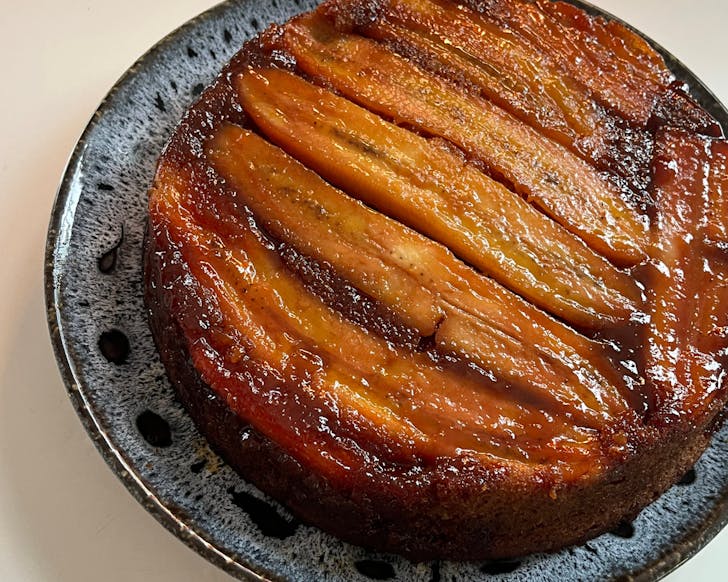 LNY is the only time dessert is valued by Chinese people, so it seems. I made Mimi Wong’s banana nian gao last year, and it was so good that I made it outside of the holiday and with other fruits, pineapple works great. You can also serve tangyuan, poached glutinous rice balls filled with sesame or red bean, or jian dui, which are golden deep-fried sesame balls. Citrus also makes for a not-too-sweet dessert, and as a bonus, culturally relevant decorations.
Images: Becca Wang.