
This Hiroshima Day Trip From Osaka Is One For The Bucket List
 Kayla Wratten
Freelance Sub-Editor | Urban List Queensland


If you haven’t already, carve out space in your Japan itinerary for a Hiroshima day trip from Osaka. While Hiroshima is often defined by its history, there's so much more to this charming coastal city. Think riverside parks, contemporary galleries and a thriving nightlife scene that'll make you want to extend your day trip.
It's also a serious draw for food lovers. Hiroshima puts its own spin on Japanese classics, like okonomiyaki stacked with noodles, sweet-savoury anago meshi and plump oysters. Best of all, it’s just 90 minutes from Osaka on the Shinkansen, making it one of the most seamless day trips in Japan. Keep reading for Urban List’s ultimate guide on what to see, eat, and do in Hiroshima in 2026.
What To Do In Hiroshima
Hiroshima Peace Memorial Park
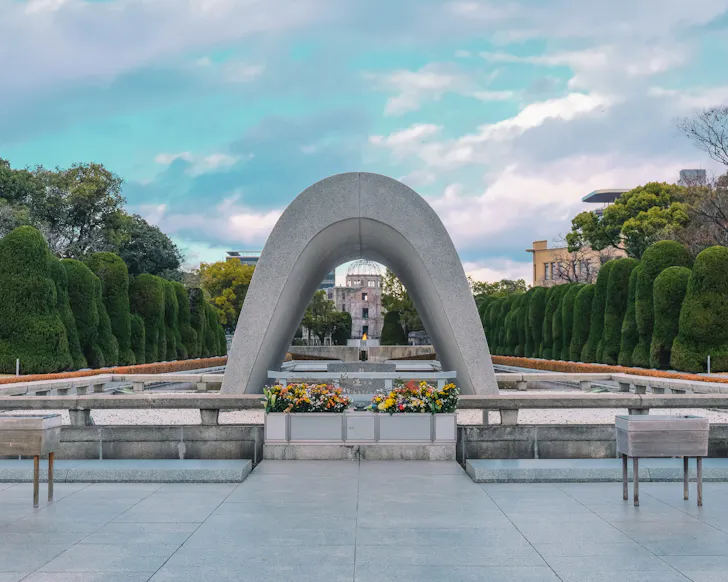 Image credit: Memorial Cenotaph | Unsplash
If you’re a first-timer to Hiroshima, start by paying tribute to the city’s past at Hiroshima Peace Memorial Park. The park is dedicated to Hiroshima’s legacy as the first city in the world to suffer a nuclear attack at the end of World War II. Begin at the Atomic Bomb Dome, the skeletal remains of the only structure to survive the 1945 blast, now a UNESCO World Heritage Site and one of the city’s most powerful symbols.
From here, follow the Ōta River into the into the park’s wide green spaces. Pause at the Memorial Cenotaph, a curved stone monument dedicated to the victims of the bombing, where an eternal flame burns in remembrance. Continue into the Peace Memorial Museum for a deeper look at the city’s past and the events that shaped it. Designed by prize-winning architect Kenzo Tange, the museum’s underground setting encourages quiet reflection.
Hiroshima Castle
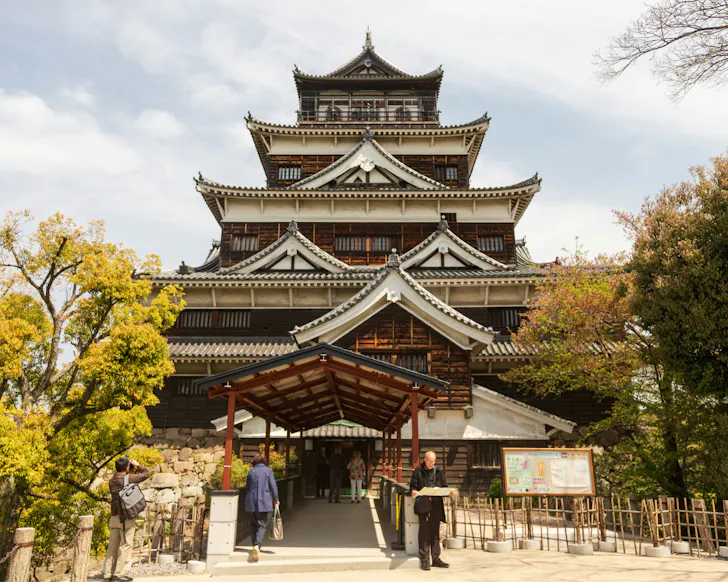
Image credit: Hiroshima Castle | Unsplash
Hiroshima Castle was originally built in 1589 by feudal lord Mori Terumoto, before being destroyed in the atomic bombing of 1945. The main keep—known as the tenshu—was rebuilt in 1958 as a reinforced concrete replica, while the Ninomaru (second circle of defence) was later reconstructed in the 1990s using traditional wooden techniques, including the main gate and several turrets.
Known as Carp Castle, the site is surrounded by a moat and parkland, featuring koi-filled waters and wide, leafy paths. Head to the top floor for sweeping city views, and don’t leave without picking up a koi carp fortune for a bit of good luck.
Itsukushima Shrine
Carve out time for a detour to the small island of Miyajima in Hiroshima Bay, if only to see the floating torii gate of Itsukushima Shrine. The iconic gate glows a vivid orange-red against the Inland Sea, seemingly floating at high tide. Catch the early ferry from Miyajimaguchi (about 25 minutes south of Hiroshima Station) and stay out on deck for the full cinematic approach into the island.
Once you arrive, you’ll be met by Miyajima’s famously cheeky free-roaming deer and a slow, winding network of streets that feel worlds away from the city. A short walk along the waterfront brings you to Itsukushima Shrine itself. Dedicated to the daughters of Susano-o no Mikoto, the Shinto deity of storms and the sea, it’s a spiritual experience you won't forget in a hurry.
Hondōri Arcade
This covered shopping street is packed with everything from vintage stores to sneaker shops, beauty counters, and capsule toy machines. You’ll also find karaoke bars, anime shops and gaming arcades to keep everyone entertained. In the heart of Hiroshima, this shopper’s paradise is the perfect place to hunt down a souvenir or window-shop on a rainy day.
Shukkeien Garden
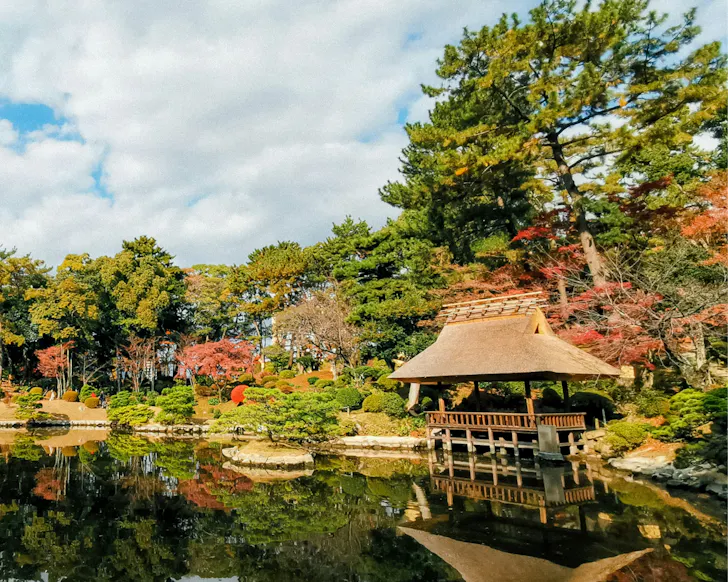 Image credit: Shukkeien Garden | Unsplash
Built in the early Edo period, Shukkeien Garden is a beautifully layered garden centred around a still pond, dotted with miniature islands and crossed by arched stone bridges. The famous red Kokokyo Bridge gives you that postcard-perfect reflection shot, especially on windless days. Located northeast of Downtown Hiroshima, this scenic garden is just steps from Hiroshima Station, but feels worlds away from the city.
Hiroshima City Museum Of Contemporary Art
Set uphill in a leafy park, this modern art museum is worth a visit. Even the walk up is part of the experience, cutting through greenery before you hit the concrete geometry of the building. Inside, you'll find expertly-curated, rotating exhibitions that range from Japanese contemporary works to international installations. It’s a great stop if you want a breather from historical sightseeing without switching off completely.
What To Eat And Drink
Okonomiyaki
People travel miles across Japan to taste Hiroshima's style of okonomiyaki. So, what makes it so different? Unlike Osaka’s mixed-in version, the Hiroshima iteration is built in layers: loads of cabbage stacked high, batter thin and crisp, then noodles, egg, pork, and a glossy sweet-savoury sauce that ties it all together. Try it at Nagata-ya in the heart of the city and sit at the counter if you can. Watching it being assembled on the hotplate is half the fun.
Bar Hopping In Nagarekawa
Head into Nagarekawa, the entertainment district just east of Hondōri, and start looking up. Many of the best bars in Hiroshima are stacked above street level, tucked behind narrow stairwells or unassuming doors. Think tiny cocktail bars, standing sake joints, and listening bars that keep spinning records well into the night.
Oysters
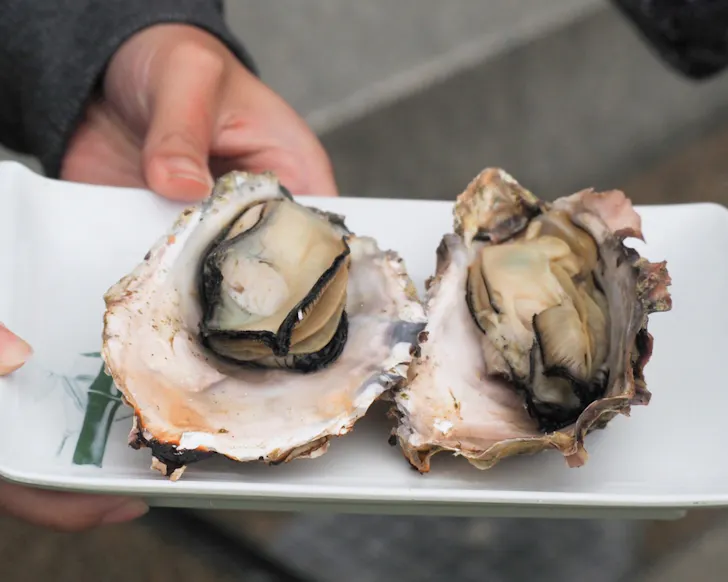 Image credit: Hiroshima Oysters | Facebook
Hiroshima produces the majority of Japan’s oysters, and you can taste the difference when you eat them fresh. They’re plump, clean, and slightly sweet rather than overly salty.
At Ekohiiki, you’ll find them done crispy and golden as kaki fry, served with tartar-style sauce and a squeeze of lemon. The result is a crunchy coating with a briny centre and rich finish. Whether you’re an oyster addict or new to the mollusk, this is the version that tends to win people over.
Anago Meshi
Anago meshi is Hiroshima’s specialty food of broiled conger eel served on a bed of rice. If you haven’t tried it before, drop into local favourite Tsuki Akari, where grilled saltwater eel is glazed lightly and served over warm rice. Compared to unagi, anago is softer, more delicate, and less sweet. It's a (literal) taste of Hiroshima.
Looking for more Osaka inspiration? Check out:
Image Credit: Itsukushima Shrine | Unsplash
Urban List Best Of: has our highest stamp of approval—curated lists of the very best recommendations for you to eat, do, see, buy or book, carefully chosen by our Editors.