
To Slurp Or To Chew? A Top Sydney Seafood Chef Shares His First Oyster Experience And More
 Lizzie Scorer
Contributor | Urban List, Sydney, NSW
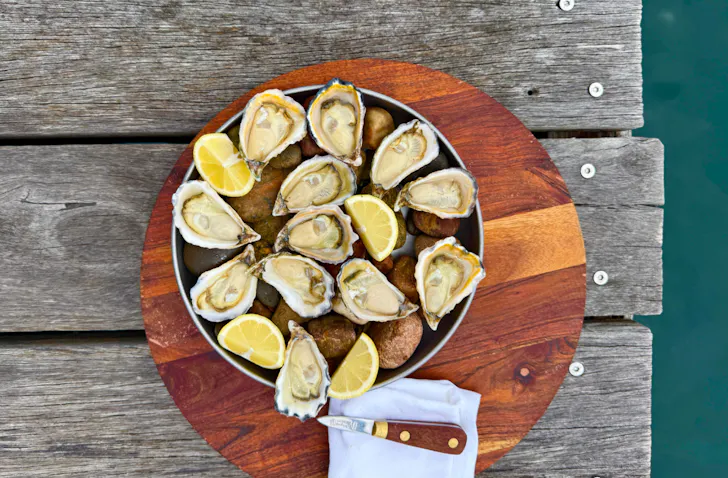
Great seafood doesn’t start in the kitchen; it starts in the water. For SALA Chef Danny Russo, that’s everything.
Raised in a loud, food-obsessed Italian household where meals meant connection, becoming a chef felt less like a decision and more like instinct. After years in high-pressure kitchens around the world, he returned to Sydney with a simple philosophy: when the produce is great, don’t overcomplicate it, let it shine.
That’s especially true for oysters, and Albany Rock Oysters in particular. Clean, briny, and unmistakably of their place, they’re a pure expression of where they’re grown and how they're handled. Being seasonally available, they are only harvested during the warmer months from roughly November to April when they're in peak condition.
Which is where Leeuwin Coast come in. These oyster-loving legends from WA helped us pin Russo down for a chat about everything from his most memorable oyster moment to the dish he’ll never take off the menu.
Before we start, can you give us a topline snapshot of your relationship with food and how it led you to become the chef you are today?
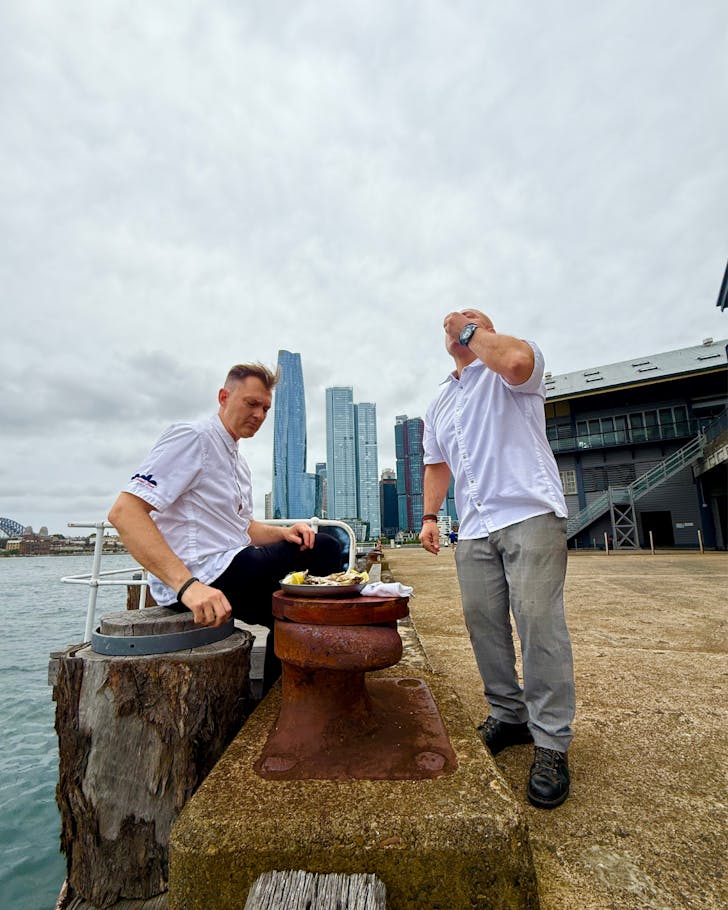
Having an Italian background, food has always been central to my life, not just as something we ate, but as something that brought people together. Like most Italian kids, my mum was an amazing cook, hence I grew up in a very food-focused household where meals were non-negotiable moments of connection. That sense of generosity and hospitality stayed with me.
Becoming a chef wasn’t a single decision; it was a gradual pull. The kitchen felt natural to me, fast-paced, creative, and grounded in craft. Over time, I realised it wasn’t just a job, it was how I express care and culture.
Having worked in restaurants across the globe, what drew you to your first kitchen?
Honestly, the energy. There’s something addictive about the rhythm of service, the pressure, the teamwork, the precision, but most importantly, there's no better feeling than seeing people smile when they eat your food, which you have cooked with your heart and soul.
My first kitchen felt like stepping into another world. It was intense, but it was also disciplined and deeply creative. I loved that it demanded everything from you, physically and mentally. It hooked me straight away.
What made you fall in love with seafood in particular, and how did it inspire you to open your own restaurant dedicated to it?
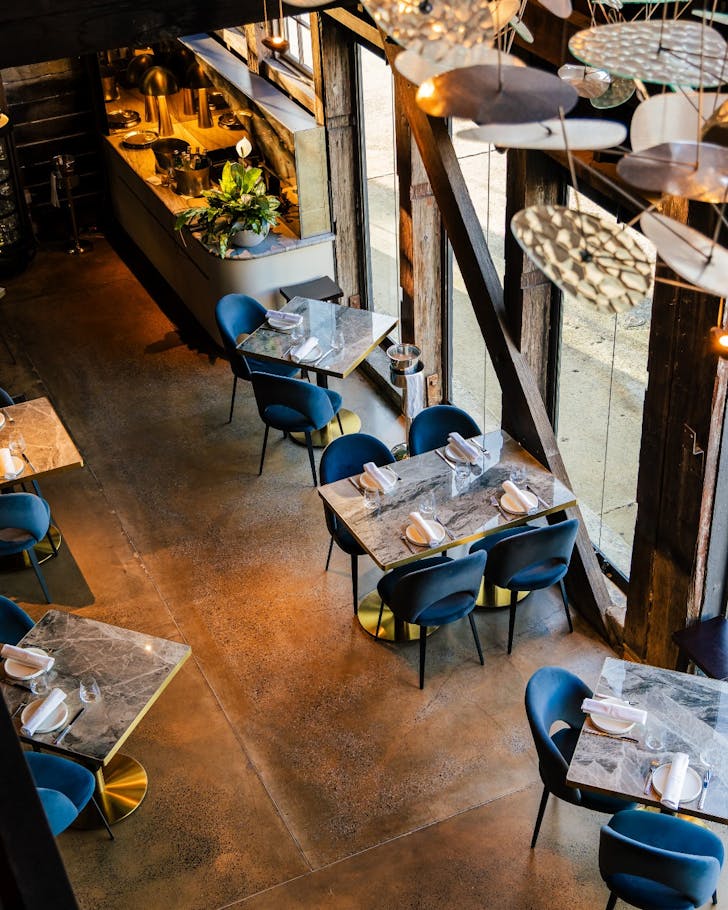
Seafood has a purity to it that I really respect. It’s incredibly honest; there’s nowhere to hide. When you’re working with pristine seafood, the role of the chef is to enhance, not mask. That philosophy resonated with me.
Opening SALA with my business partner, the Dedes Waterfront Group, was about celebrating that simplicity and letting exceptional produce speak. Seafood, especially in Australia, is world-class, and we wanted to build a space that honours that. Having a location that sits on the best harbour in the world makes perfect sense. Marriage made in heaven.
In this same vein, what was your first oyster experience, and what impact did it have on you?
My first oyster was a bit of a moment, equal parts curiosity and intimidation. My dad used to eat them by the dozen, freshly shucked and Kilpatrick. I remember being surprised by how clean and complex it tasted. It was like tasting the ocean in its purest form. From that point on, I was fascinated by how oysters vary depending on where they’re grown. It definitely sparked something.
Oysters aside, is there a certain dish at SALA that you’ll never take off the menu?
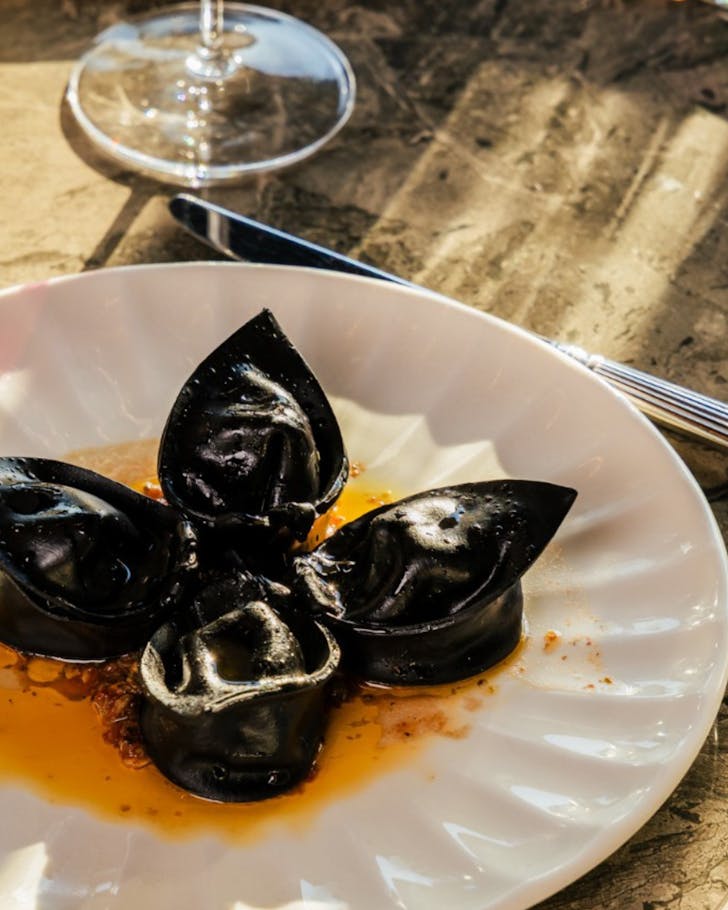
There’s always one dish that becomes part of the restaurant’s identity. For SALA, it’s the squid ink tortellini filled with blue swimmer crab meat. Simple, generous, and deeply rooted in the Italian tradition and spirit, it showcases the best of what Australian seafood has to offer. It represents what we do best: beautiful seafood, handled with respect.
How do you honour tradition while still bringing your own style to Italian cuisine?
For me, you have to understand tradition before you reinterpret it. Italian cooking is built on restraint and respect for ingredients. I stay grounded in those fundamentals, seasonality, simplicity, and balance, but I’m not afraid to refine techniques or introduce subtle influences from my travels. It’s about evolution, not reinvention.
Where do you get your inspiration for new dishes?
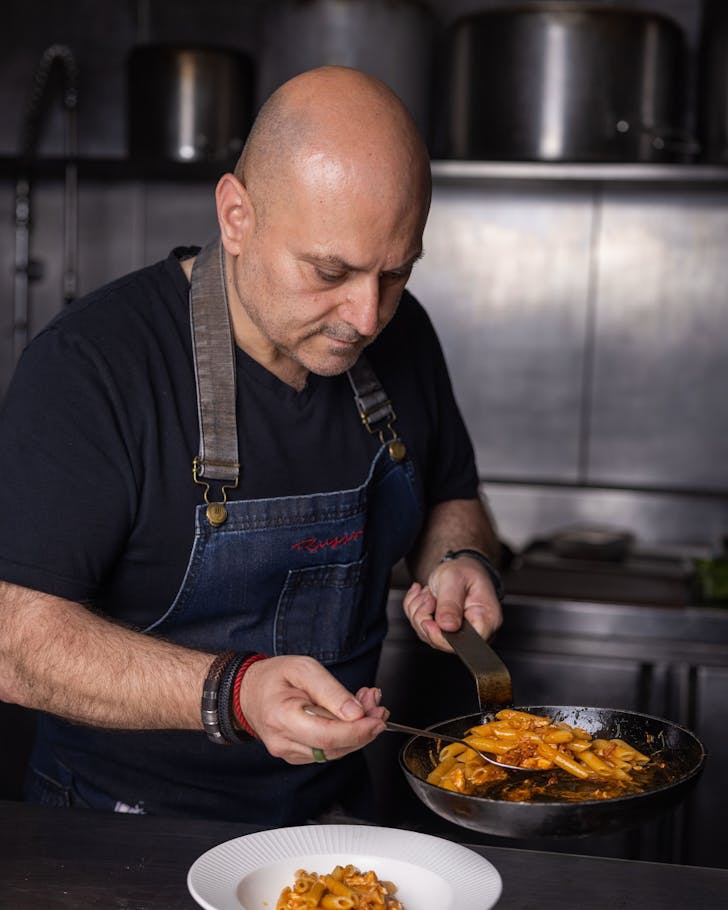
Travel is a big one. Eating in different regions, seeing local markets, and talking to producers, that always sparks ideas. But inspiration also comes from the produce itself. Sometimes a beautiful piece of fish or a particular variety of tomato will dictate the direction of a dish. It usually starts with the ingredient, and here in Sydney, Australia, we have some of the best produce, whether it’s seafood, meat or fruit and vegetables.
I always say that it’s easy to cook good food when the produce is amazing because the farmers and fishermen have done the hard work. The way it's handled from the beginning all the way to the kitchens, how can you not be inspired to treat the produce with the utmost respect?
Describe your perfect day off, where are you going, and what are you eating?
My perfect day off is near the water. Ideally, somewhere coastal, long lunch, good wine, simple food done well. Fresh crudo, grilled fish, maybe pasta to share. Nothing overly complicated, just honest flavours and good company.
In the Russo house, is there a meal you like to cook on repeat?
At home, I cook much more simply. A classic pasta like Carbonara or a slow-cooked Pasta al Forno tends to be on repeat. It’s comforting and doesn’t require overthinking. After long services, simplicity is a luxury.
Would you rather live right on an Aussie beach or the Mediterranean coast, and why?
That’s a tough one. The Mediterranean, especially the south of Italy, has romance and history, but Australia has an incredible raw beauty and access to extraordinary seafood. I’d probably say the Aussie beach, it feels a little freer, and the produce here is hard to beat.
What’s your go-to oyster accompaniment?
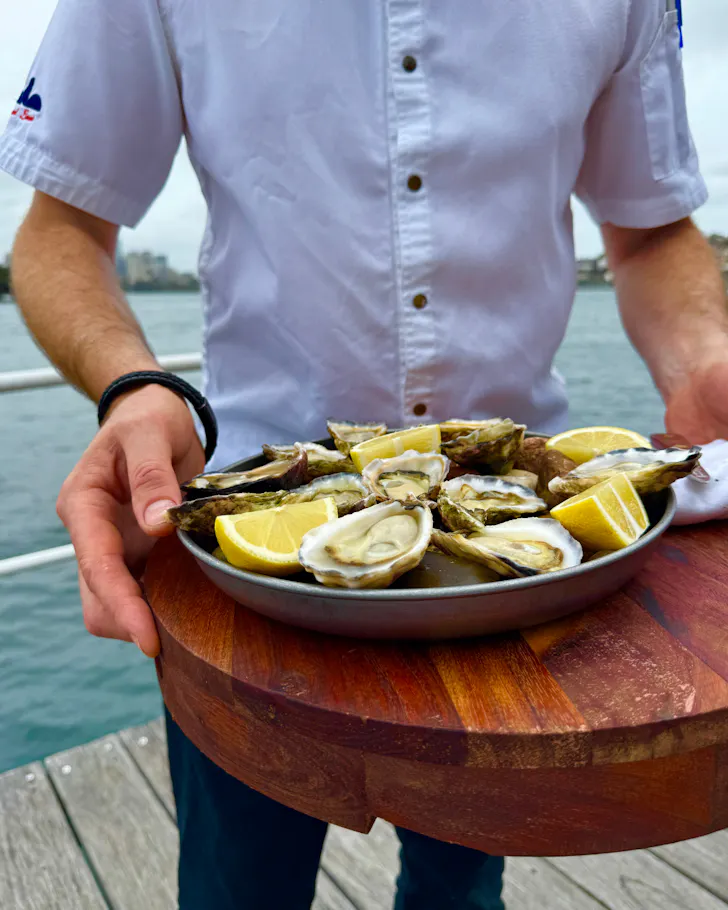
I’m a purist at heart, a squeeze of lemon. If the oyster is exceptional, it doesn’t need much more.
Finally, what makes Albany Rock Oysters top-tier from a chef’s perspective?
Albany Rock Oysters have an incredible balance. They’re clean, mineral-driven, and slightly sweet with a beautiful texture. From a chef’s perspective, consistency and purity are everything. They hold their liquor well, present beautifully, and most importantly, they taste unmistakably of where they’re from. That sense of place is what makes them special.
Editor’s note: This article is sponsored by Leeuwin Coast and proudly endorsed by The Urban List. To find out more about who we work with and why read our editorial policy here.
Imagery: Supplied.