Sydney’s First New Inner-City Suburb In Decades Announced For Glebe Island
 Eloise Luke
Deputy Editor (Local Markets) | Urban List
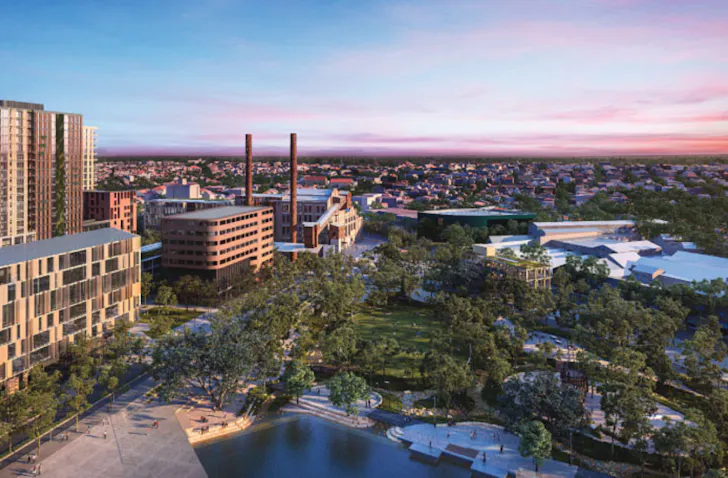
Sydney’s harbour foreshore is preparing for another major transformation.
The NSW Government has confirmed plans to develop Bays West, a brand-new inner-city suburb at Glebe Island that will deliver thousands of new homes along the western edge of Sydney Harbour.
Currently a working industrial port beside the Anzac Bridge, the site will gradually transition into a residential waterfront precinct centred around a new metro station, public spaces and improved harbour access.
At full build-out, up to 8,500 homes are planned for the precinct—making Bays West one of the most significant housing projects currently proposed for inner Sydney.
Can’t wait? Jump to:
- What Is Bays West And Where Will It Be Built?
- How Many Homes Will Bays West Deliver?
- What Will Happen To Glebe Island’s Port Operations?
- Will The White Bay Cruise Terminal Stay?
What Is Bays West And Where Will It Be Built?
Bays West will be built on Glebe Island, located about four kilometres west of Sydney’s CBD between Pyrmont, Rozelle and Balmain.
The site is currently home to bulk port operations and logistics infrastructure, but the NSW Government plans to transform it into a new residential neighbourhood positioned directly above the Bays West Metro Station, which is already under construction as part of the Sydney Metro West project.
The precinct forms part of the broader Bays Precinct renewal, which aims to reshape former industrial land around White Bay, Blackwattle Bay and Rozelle into a connected harbourfront district.
An international design competition will guide the final look and layout of the suburb, including building heights, public spaces and the overall urban design.
How Many Homes Will Bays West Deliver?
Plans for the new suburb include up to 8,500 homes, with at least 10 per cent allocated as affordable and essential worker housing.
The apartments will be built directly above and around the future Bays West Metro Station, positioning the precinct as a transit-oriented development with fast connections to the CBD and Parramatta once Metro West opens.
Premier Chris Minns said the redevelopment reflects the need to make better use of well-located land as Sydney continues to grow.
What Will Happen To Glebe Island’s Port Operations?
The announcement also confirms the end of bulk port operations at Glebe Island, including facilities that currently handle cement, gypsum and sugar imports.
These operations will cease by no later than 2030, with freight activity expected to relocate to Port Kembla in Wollongong.
The large industrial silos visible from the Anzac Bridge — a longstanding landmark on the western harbour skyline — are also expected to be demolished as part of the redevelopment.
However, not all maritime activity will disappear from the precinct.
Working harbour operations will largely shift to nearby White Bay, where deep-water berths will continue to support shipping activity.
Will The White Bay Cruise Terminal Stay?
The short answer? Yes. The White Bay Cruise Terminal, located roughly two kilometres from the future housing precinct, will remain in operation.
The terminal currently hosts more than 100 cruise ships each year, primarily mid-sized vessels that can pass under the Sydney Harbour Bridge.
To reduce noise and emissions for nearby residents, the government confirmed shore-power infrastructure is being installed so ships can plug into the electricity grid while docked rather than running engines.
The surrounding area will also continue to support Sydney’s New Year’s Eve and Vivid Sydney fireworks, with a new staging area planned within White Bay.
While planning for Bays West is still in its early stages, the announcement marks the beginning of another major harbourfront transformation—and potentially the first new inner Sydney suburb built in decades.
Image credit: NSW Gov | Website

The New Western Sydney International Airport Will Open This October—Here’s Everything To Know

A 13.8km MetroWay: Sydney’s Southwest Answer To The Inner West’s GreenWay

Sydney’s First New Train Station In Over A Decade Confirmed For Woollahra
See more Urban List in Google Search.