The UK’s 2026 Border Crackdown Kicks In This Week: Here’s What It Means For Aussie Travellers

The UK just tightened the screws on how dual citizens enter the country, and if you’ve got Australian and British (or Irish) nationality, this could wreck travel plans, surprise passport offices, and burn holes in wallets. The changes kick in from 25 February 2026 and have caused chaos for Aussies holding dual citizenship by descent or birth. Here’s the low-down on what this means for your travels.
What Are The New UK Border Rules For Dual Citizens?
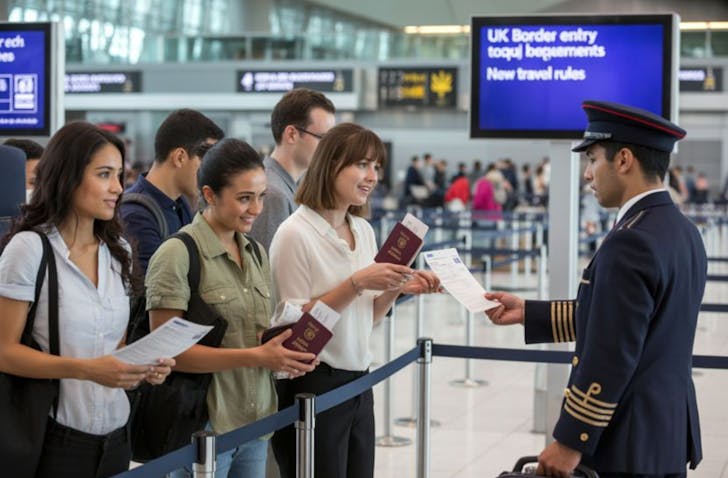 Image Credit: Travel And Tour World | Website
As of February 25, 2026, British border guards and airlines won’t let you board flights, ferries, or trains to the UK unless you’re carrying:
- A valid British passport, or
- A Certificate of Entitlement (COE) proving your right of abode, or
- An Irish passport if you also hold Irish citizenship.
If you try to travel on just your Australian passport, you could be denied boarding. Previously, dual citizens could use either passport to enter the UK. But not anymore. Expired British passports can be presented alongside Aussie passports, or you’ll need to drop £589 (about $1,125AUD) on a COE, which takes about eight weeks to obtain.
Carriers are required to check this before departure, which means gate agents will stop you long before you hit UK immigration.
So, why are these rules such a big deal for Australians? Let’s break it down.
Do These Changes Affect All Australians With Dual Citizenship?
Yes, if you also have British or Irish citizenship, you’re impacted. That means:
- Australian-British family trips can turn into passport scrambles if you didn’t realise you’re a British citizen too.
- Kids born in Australia with British citizenship by descent now need passports or expensive COEs.
- Processing times for passports and COEs can stretch weeks, potentially derailing travel plans if you leave it late.
Industry groups say travellers are discovering their dual status only weeks before departure, leading to cancellations, stress, and extra spending.
How Do These Rules Interact With Euro-Australian Travel And Working Arrangements?
It’s not just the UK. Europe is also changing how Australians travel and work:
European Travel Authorisation (ETIAS):
From late 2026, Australians (including dual citizens) will need an ETIAS authorisation to enter the Schengen zone if they’re visa-exempt. Dual citizens with a European passport won’t need ETIAS for that passport — but using just an Australian passport could require it.
Working Arrangements:
What Happens If I Don’t Have A British Passport Yet?
If you’re a dual national without a British passport, you must act quickly:
- Apply for a British passport from Australia (takes weeks).
- Or apply for a Certificate of Entitlement (much more expensive and slower).
- Airlines may refuse to let you board without these.
- Without these, you could miss events, trips, or even family emergencies.
Can I Still Use An ETA Or Visa Instead?
If you’re a purely Australian citizen (no British/Irish citizenship), you can use the UK’s ETA system, but not if you’re treated as a British dual national.
Dual citizens are not eligible for the ETA because UK authorities now assume you’re a British citizen for entry checks. That means ETAs aren’t an option and obtaining the right passport/COE becomes the only route in.
Tips For Australian Travellers Affected By These Changes
- Check both passports before booking flights to the UK.
- Apply early for British passports or Certificates of Entitlement.
- Carry both passports when travelling: one to exit/return to Australia, the other to enter the UK.
- Don’t assume an ETA will save the day if you’re a dual citizen.
Do I Need A British Passport To Enter The UK In 2026?
If you are a dual Australian-British citizen, yes.
Under the new rules introduced by the UK Home Office, dual British nationals must enter the UK using:
- A valid British passport, or
- A Certificate of Entitlement to the Right of Abode, or
- An Irish passport (if you’re also Irish)
You cannot rely on your Australian passport plus an ETA if you’re legally British. Airlines are required to check before boarding, so the drama happens at the gate, not the border.
Quick Pre-Flight Checklist For Aussie Travellers
Before you even think about packing:
- Check whether you’re a British citizen
- Make sure your British passport is valid
- If you don’t have one, apply well in advance
- Carry both passports when travelling
- Don’t apply for a UK ETA if you’re actually a British citizen
If you’re travelling onwards to Europe, remember that Australians will soon need ETIAS authorisation for short stays in the Schengen zone. If you also hold an EU passport, you won’t need ETIAS when travelling on that passport. Passport choice suddenly matters a lot.
How To Check If You’re A Dual Citizen (Even If You’ve Never Applied For A Passport)
This is where people get caught out. You can be a British citizen without ever holding a British passport.
Am I Automatically A British Citizen By Descent?
You may be a British citizen if:
- You were born in Australia to a parent who was a British citizen at the time of your birth
- You were born in the UK (depending on the year and your parents’ status)
- One of your parents was born in the UK
- You previously held a British passport, even as a child
Citizenship can pass down one generation automatically in many cases. It is not something you “apply for” to exist. It either exists or it doesn’t.
If you’re unsure, check via the official guidance on the GOV.UK website. Their nationality tool walks you through birthplace, parents’ citizenship and dates.
What If My Parent Was Born In The UK?
If one of your parents was born in the UK, chances are strong you’re a British citizen by descent.
That means:
- You may not be eligible for a UK ETA
- You may be required to travel on a British passport
- You may need to formally confirm your citizenship before travelling
This is the scenario currently catching many Australians off guard.
What If I’m Not Sure And My Trip Is Soon?
If you suspect you’re British but haven’t confirmed:
- Check the nationality tool on GOV.UK immediately
- Gather your birth certificate and your parent’s birth certificate
- Contact the nearest British High Commission if timing is tight
Do not assume you can “just use” your Australian passport and sort it out later. Airlines are enforcing document checks before departure.
How This Fits Into The Bigger Travel Picture For Australians
Mobility between Australia and Europe has actually become more generous in some ways.
Recent Australia-UK working holiday arrangements now allow Australians to live and work in the UK for up to three years without farm work requirements. Meanwhile, EU systems like ETIAS are tightening digital border controls. Long story short: travel is more fluid, but borders are tighter.
London Calling

16 Of The Best Rooftop Bars In London For Sunny Sips (2026 Edition)
_(3).png?auto=format%2Ccompress&fit=crop&ar=3:2&w=2200)
20 Of The Best Airbnbs In London Right Now (2026 Edition)

How I Holiday: A Vogue-Featured Photographer’s Travel Tips For Living It Up In London
See more Urban List in Google Search.