
The Economics of Dating: How To Navigate The Money Side Of Love
 Queenie Tan
Money Editor | Urban List
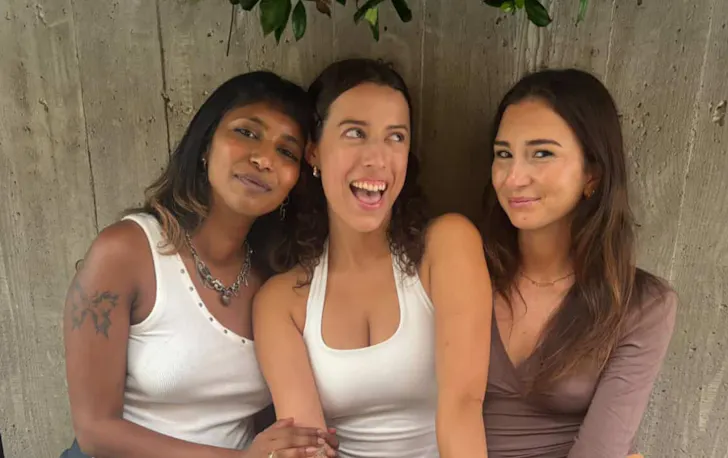
Queenie Tan is the creator of Invest With Queenie, a finance educator, author of The Fun Finance Formula and co-founder of budgeting app Bilroo. She creates practical, relatable money content to help Australians feel more confident with budgeting, investing and building a life they actually enjoy. In partnership with ING, she's here to help you navigate those everyday money dilemmas in 2026 and beyond.
Money has a way of showing up in relationships, whether you’re celebrating an anniversary or navigating the bill on a first date. Two in five Aussies surveyed (39%) say that financial compatibility is just as important as emotional compatibility—and this increases with younger generations (48% Millenials and 43% Gen Z). Looks like financial harmony could even be the sixth love language.
My husband Pablo and I have been through it all—dating, combining our finances, and even buying a house together. I’ve learned a lot of lessons along the way. Together with ING, I’m going to share some practical ideas on how to navigate the money side of love, so you can enjoy more of your time together.
The Cost Of Dating In 2026
How much you spend on dating depends on where you live and what you enjoy doing. The costs people tend to overlook are: public transport or Ubers, drinks, new clothes, beauty products, and of course the date itself! A date doesn’t need to be expensive to feel special.
Choose lower-cost activities you genuinely enjoy: a beach walk, a coffee, a bakery, bubble tea or gelato. Pablo and I still love going out for small treats here and there. Instead of spending $100 at a restaurant, we spend around $10 on coffees or roughly $8 each on a small treat.
Some of my most memorable gifts haven’t been the most expensive; it’s the thought that counts! I love planning experiences as gifts, like a nice activity, a day trip or a small getaway. However, they still need to fit your budget.
To Split Or Not To Split (The Bill)
There's still a lot of debate around the etiquette of who pays on a first date. Nearly a quarter of Aussie respondents (23%) reckon the person who asked for the date should pay, while 35% agree that splitting the bill is fairest on a first date. In my view, splitting the bill can feel fairest early on, especially when you don’t know whether you’ll see each other again. Once you’re dating regularly, taking turns can feel more relaxed. The important thing is to communicate, rather than let one person feel uncomfortable or pressured.
Pablo and I went 50/50 on our first date. That might put some people off, but in my opinion, it helped set the tone for a more equal partnership. We don’t fall neatly into traditional gender roles because Pablo does a lot of the cooking, while I do cleaning, and we both share taking care of our daughter. So sharing financial responsibility also feels right for us too.
Money Talk And Relationships
When the relationship starts becoming more serious. If you’re talking about moving in, travelling together or buying a home one day, money is part of that conversation and it’s a good idea to talk about it. Even small money conversations over time can help you see whether you’re aligned.
On the other hand, it’s important to pay attention to financial red flags, like someone who refuses to be honest, take responsibility or improve, might mean you’re financially incompatible.
All’s Fair In Love And Finances
Different income levels can affect things a lot. When Pablo and I met, he was 5 years older, working full-time, and I was at university working part-time. Splitting everything 50/50 felt fair at the beginning, but the reality was, I was stretched financially while he still had room to save and enjoy himself. A lot of Aussies can feel that same pressure early on when dating, with one in five (20%) splitting a bill on a first date to avoid assumptions about their money situation.*
At first, I felt kind of guilty for bringing it up, but once I did Pablo totally understood and we moved to a proportional split based on income and it felt much fairer. Later, when I earned more, I paid a larger share and contributed more towards our home deposit. Fair doesn’t always mean 50/50, and the arrangement can change as your circumstances do.
In saying that, don’t feel pressured to combine finances before you’re ready. Keep visibility over your own money, talk openly about expectations and take time to understand each other’s habits. Not everyone grew up around people who were good with money, and those skills can be learned.
Even now that Pablo and I fully share our finances, we each have guilt-free spending money for the things we personally value. He enjoys hobbies such as padel, while I enjoy spending money on beauty and going out with friends. Shared finances should not mean losing all independence.
Learn more about ING here while still enjoying more of the experiences you love with the people you love along the way.
Editor’s note: This article is sponsored by ING and proudly endorsed by The Urban List. To find out more about who we work with and why, read our editorial policy here.
*Research was commissioned by ING and undertaken online by YouGov between 21st – 27th August 2025 with a sample of 2,366 Australians aged 18 years and older. Following the completion of interviewing, the data was weighted by age, gender and region to reflect the latest ABS population estimates.
All data points referenced in relation to “Aussies” of this document refers to Australians 18+.
Images: Supplied