
From Osaka To Koyasan: You Have To Book This Japan Temple Stay
 Kayla Wratten
Freelance Sub-Editor | Urban List Queensland
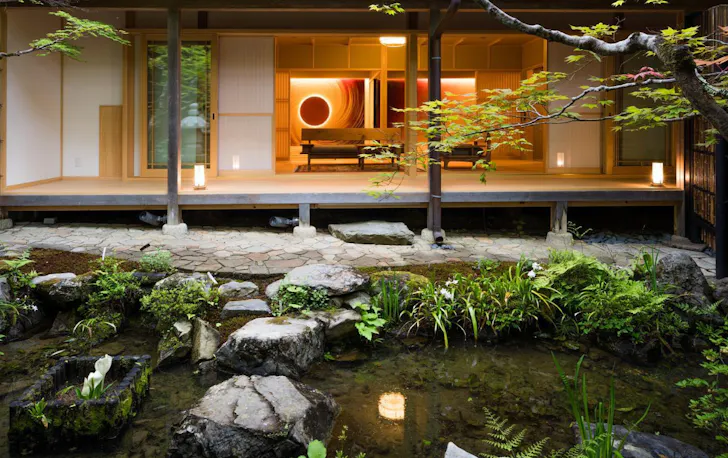

Trading Osaka’s bright city lights for mountain mist, an overnight trip to Koyasan is one of the most rewarding escapes you can make in Japan. Perched high in the forested peaks of Wakayama Prefecture, this UNESCO-listed temple town is the spiritual heart of Shingon Buddhism—and one of the few places where you can actually sleep inside a working temple.
Founded in 816 by monk Kūkai (also known as Kobo Daishi), Koyasan is still an active religious community today. There are more than 100 temples here, many of which operate shukubo (temple stays), giving you rare access to daily rituals, traditional vegetarian cuisine and life inside a functioning monastery. Sitting at around 800 metres above sea level, the climate is noticeably cooler than Osaka, with crisp mountain air, snowy winters and some of Japan’s best autumn foliage.
Below, the Urban List team unpack everything you need to know to plan your very own Koyasan escape in 2026.
How To Get From Osaka To Koyasan
Getting to Koyasan is all part of the experience, as it's a scenic journey through the mountains. From Osaka, take the Nankai Railway from Namba Station to Gokurakubashi Station (around 90 minutes). From there, transfer to the steep Koyasan Cable Car, which climbs dramatically into the mountains. At the top, local buses will take you into the main temple area.
Insider's tip: Grab a Koyasan World Heritage Ticket. It bundles your train, cable car and bus travel into one discounted pass, saving you money and a lot of logistical friction.
What To Do In Koyasan
Okunoin Cemetery
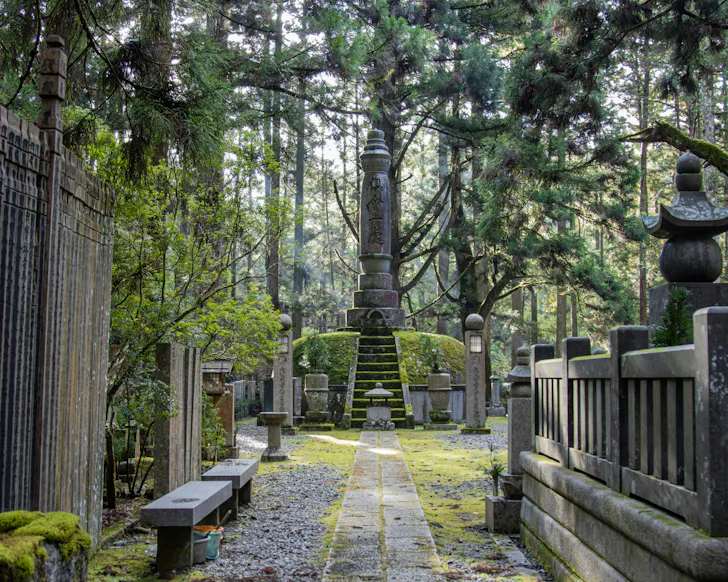 Image credit: Okunoin Cemetery | Unsplash
Koyasan’s most important site, Okunoin is Japan’s largest cemetery, with more than 200,000 gravestones lining a two-kilometre forest path leading to the mausoleum of Kūkai. Along the way, you’ll pass centuries-old memorials dedicated to samurai clans and feudal lords, as well as Jizo statues placed to protect children’s souls.
Enter via Ichinohashi Bridge for the full pilgrimage route, or start closer at Okunoin-mae if you’re short on time. Go early morning or just before dusk for fewer crowds and a more atmospheric walk with the glowing lanterns. Note that photography is restricted near the mausoleum, and respectful behaviour (quiet voices, no eating etc) is expected in this sacred space.
Danjo Garan Temple Complex
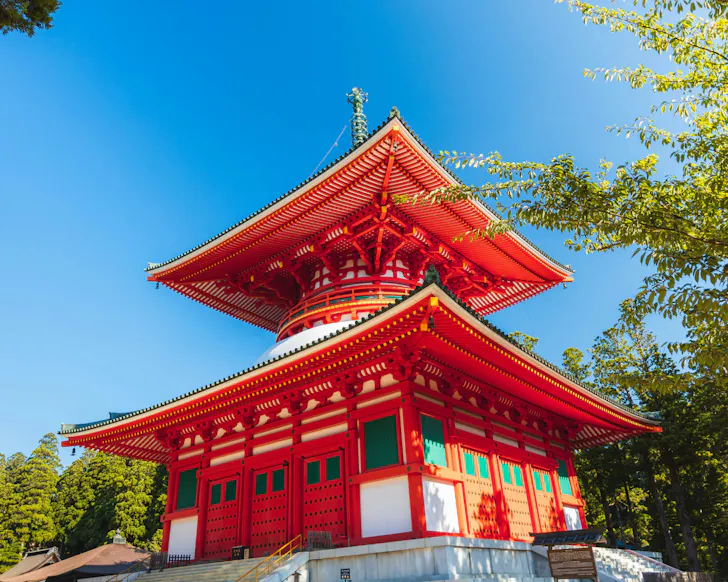 Image credit: Konpon Daito Pagoda | Unsplash
This is the ceremonial heart of Koyasan and one of its two most sacred zones. Established by Kūkai in the 9th century, the complex is laid out to represent a Buddhist mandala, with the 48-metre, fiery-red Konpon Daito pagoda as its centrepiece.
If you’re visiting during a Goma (fire ritual), lucky you! In this Shingon Buddhist ceremony, wooden prayer sticks are burned in a consecrated fire, acting as a spiritual cleanser for participants' minds, bodies, and spirits. You can observe from designated areas, just check timing locally as schedules vary.
Kongobu-ji Temple
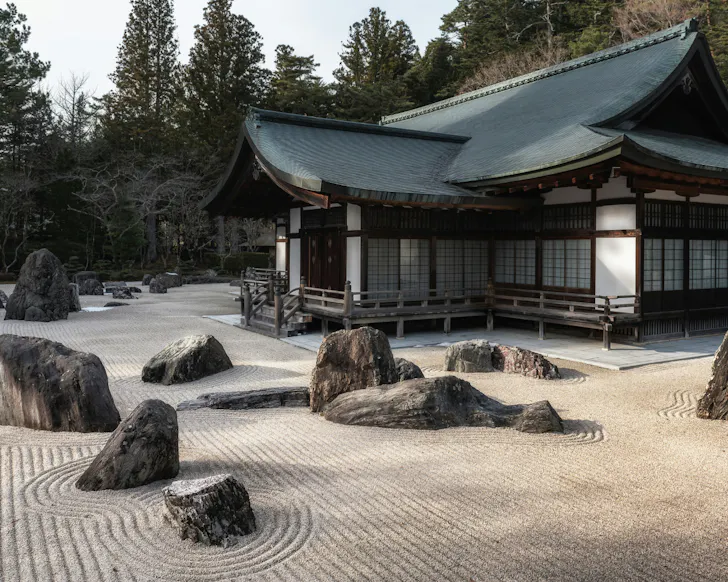
Image credit: Banryutei Rock Garden | Unsplash
As the head temple of Shingon Buddhism, Kongobu-ji oversees more than 3,000 affiliated temples across Japan. Built during the Edo period, this UNESCO World Heritage Site has low-slung wooden halls, sweeping tiled roofs and an understated design that blends seamlessly into the surrounding forest. Inside, you’ll find intricately painted fusuma (sliding doors) and the famed Banryutei rock garden—the largest in Japan, no less. As for logistics, entry is around $5 and the temple is an easy five-minute walk from Senjuinbashi bus stop.
Temple Hopping
Beyond the headline sites, Koyasan is best explored slowly. The town has over 100 temples spread across a compact plateau, connected by scenic walkable streets and forest paths. Use the local bus network to move between key stops, then walk between smaller temples and gates like Daimon Gate, a striking structure with carved guardians built in the 11th century.
Our pro tip? Pack comfy shoes. While the terrain up here is flat, distances can easily add up like most sightseeing days. If you have time, follow one of the pilgrimage-style walking routes linking sites for a more immersive experience.
Temple Stays In Koyasan
Eko-in Temple
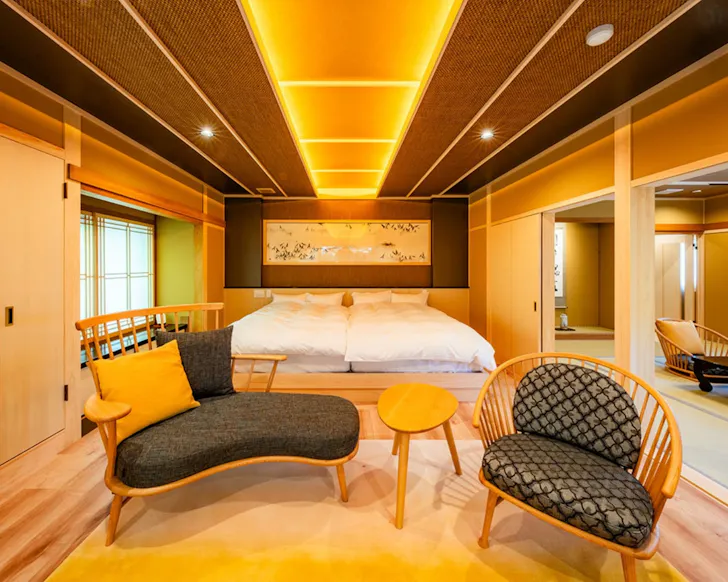
Image credit: Eko-in Temple | Website
One of the most beloved temple stays on the mountain, Eko-in Temple is known for its luxurious interiors and inviting experiences. Expect tatami rooms with private half-open-air baths and zen gardens, vegetarian shojin ryori dinners and guided meditation sessions and sutra copying.
It’s also one of the few temples offering organised night tours of Okunoin, which require advance booking and fill quickly. Plus, if you miss out on the fire ritual in town, Eko-in offers Buddhist religious services and Goma prayers that overnight visitors are welcome to participate in.
Fukuchi-in Temple
Keen for a warm soak after a day spent wandering pilgram-style trails? Fukuchi-in Temple stands out for having one of the only onsen baths in Koyasan—a significant perk given most temple stays offer shared, non-mineral baths.
As for the temple lodgings, rooms are traditional with tatami floors and futon bedding laid out in the evening. Meals are served kaiseki-style in a vegetarian shojin ryori format, timed to temple routine rather than your convenience, so make sure you arrive before 5pm to get your fill.
Shojoshin-in Temple
For a quieter, more traditional stay, Shojoshin-in is set slightly back from the main strip. Inside, tatami rooms open onto leafy gardens that shift from cherry blossoms to deep autumn reds depending on the season. Facilities are minimal but authentic, with shared bathrooms and futons rolled out at night.
Like most Japanese temple lodgings, meals are included and vegetarian, and morning prayers are open to guests. Book early, especially in peak seasons (autumn foliage and spring), as smaller temples have limited rooms and fill out weeks in advance. Wherever you sleep, any temple stay in Koyasan is a serene retreat from modern life—if only for a night.
Looking for more Japan inspiration? Check out:
Image credit: Eko-in Temple | Facebook
Urban List Best Of: has our highest stamp of approval—curated lists of the very best recommendations for you to eat, do, see, buy or book, carefully chosen by our Editors.