
Your Guide To The Best Galleries And Museums To Explore In Rome (2026 Edition)

Rome is essentially one giant museum—but the real magic often happens behind closed doors. Beyond the Colosseum and cobblestone streets, the city’s museums and galleries offer everything from Renaissance icons and ancient artefacts to contemporary design and quietly brilliant collections that fly under the radar.
If you’re looking to mix up your itinerary (or escape the crowds for a few hours), these are the best museums and galleries in Rome to have on your list.
Galleria Borghese
Parioli
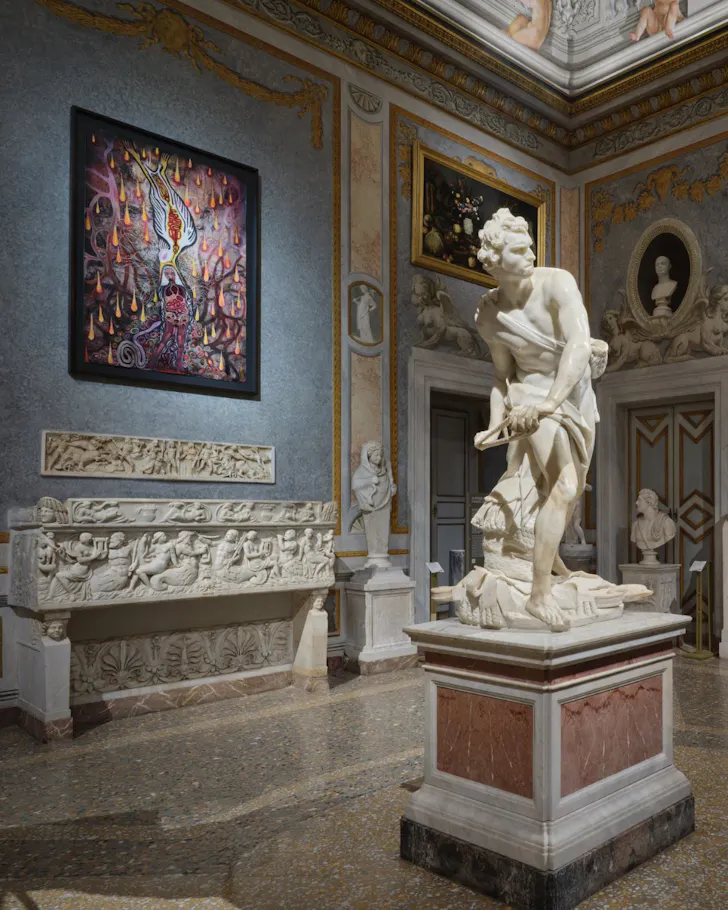 Image credit: Galleria Borghese | Facebook
Set within the leafy surrounds of Villa Borghese, the Galleria Borghese is widely considered one of the best museums in Rome—and for good reason. Renaissance and Baroque masterpieces come together here in a setting that feels far more intimate than the city’s larger institutions.
Originally built to house the private collection of Cardinal Scipione Borghese—an obsessive art collector who spared no expense—the gallery is packed with heavy hitters. Expect extraordinary sculptures by Gian Lorenzo Bernini, including the breathtaking Apollo and Daphne, alongside works from Antonio Canova and paintings by Caravaggio.
What really sets it apart, though, is the experience. Entry is strictly timed, numbers are capped and the villa-style layout means you won’t be battling the same crowds as the Vatican. Instead of endless corridors, you’ll move through a series of richly decorated rooms that feel more like opulent salons—each one curated for maximum impact. You’ll want to book well in advance, especially in peak season when tickets regularly sell out up to two weeks ahead.
Vatican Museums & Sistine Chapel
Prati
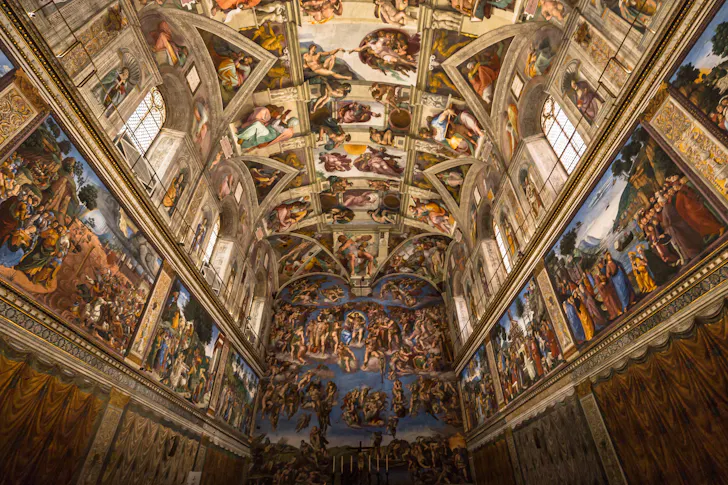 Image credit: Vatican City Guide | Website
Inside the Vatican, you’ll find the sprawling Vatican Museums—a vast network of galleries that house one of the most significant art collections in the world—alongside the iconic Sistine Chapel, which sits at the very end of the museum route.
This isn’t a quick tick-off stop. The museums stretch for kilometres, weaving through centuries of art, artefacts and opulent interiors. Along the way, you’ll pass everything from ancient Roman sculptures and detailed tapestries to the breathtaking Raphael Rooms, where Renaissance masterpieces cover every inch of wall and ceiling.
Then comes the main event. Stepping into the Sistine Chapel is one of those rare, genuinely goosebump-inducing moments. Michelangelo’s ceiling frescoes—most famously The Creation of Adam—are even more impressive in real life, while The Last Judgment looms dramatically behind the altar. It’s crowded, tightly monitored (no photos, silence enforced), but still incredibly powerful.
Hot tip: book skip-the-line tickets well in advance and aim for early morning or late afternoon to sidestep peak crowds. And wear comfortable shoes—you’ll clock up serious steps without even realising.
Centrale Montemartini
Ostiense
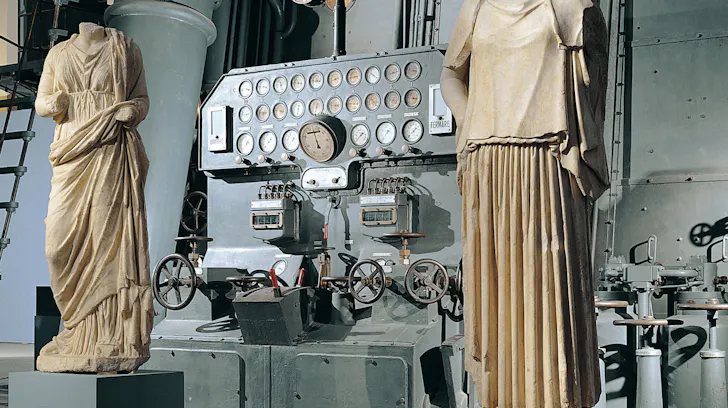 Image credit: Rome Tourism | Website
In Rome’s emerging Ostiense neighbourhood, Centrale Montemartini flips the traditional museum experience completely on its head. Set inside a converted early 20th-century power station, this is where ancient Roman sculpture meets towering industrial machinery—and somehow, it works.
Originally created to house overflow from the Capitoline Museums, the collection has taken on a life of its own. You’ll find marble statues, mosaics and artefacts spanning from the Republican era through to the late Empire, all staged dramatically against colossal turbines, diesel engines and a looming steam boiler that still dominate the space.
It’s the contrast that makes it unforgettable. Delicate white marble figures—gods, muses and emperors—stand in stark relief against the dark, heavy machinery, turning the industrial space into part of the exhibition itself. The Engine Room, in particular, feels more like an installation than a gallery. A welcome shift from Rome’s big-ticket museums—less chaos, more space, and a setting that genuinely sticks with you.
Capitoline Museums
Capitoline Hill
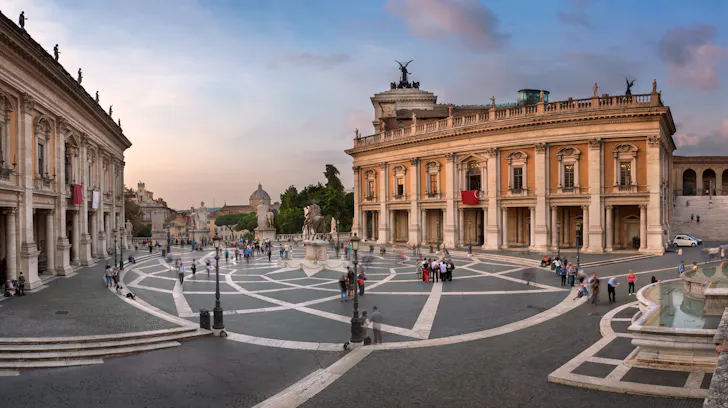 Image credit: Lonely Planet | Website
Perched atop Capitoline Hill, the Capitoline Museums lay claim to being the oldest museum in the world—founded in 1471 when Pope Sixtus IV gifted a collection of ancient bronze sculptures to the people of Rome. Today, it’s a deep dive into the city’s story, spanning ancient Rome through to the Renaissance.
Arriving via Piazza del Campidoglio—Michelangelo’s perfectly composed square—you get a sense of ceremony before even stepping inside. From there, the museum unfolds across a series of interconnected buildings filled with statues, busts, frescoes and mosaics that trace the evolution of Rome across centuries.
There are plenty of standout moments. The iconic Capitoline Wolf—depicting the she-wolf nursing Romulus and Remus—draws a crowd, while the equestrian statue of Marcus Aurelius remains an easily recognisable image of imperial Rome. But beyond the headline pieces, it’s the quieter details that linger—rows of portrait heads, inscriptions and fragments that offer a surprisingly personal glimpse into daily life, power and identity in ancient Rome.
Despite its scale, the layout feels manageable, making it a strong pick if you’re after depth without the intensity of Rome’s larger museums. And when you do step away from the galleries, glimpses out towards the Forum and the Colosseum serve as a reminder that the story doesn’t end inside—it’s still unfolding just beyond the windows.
Galleria Doria Pamphilj
Centro Storico
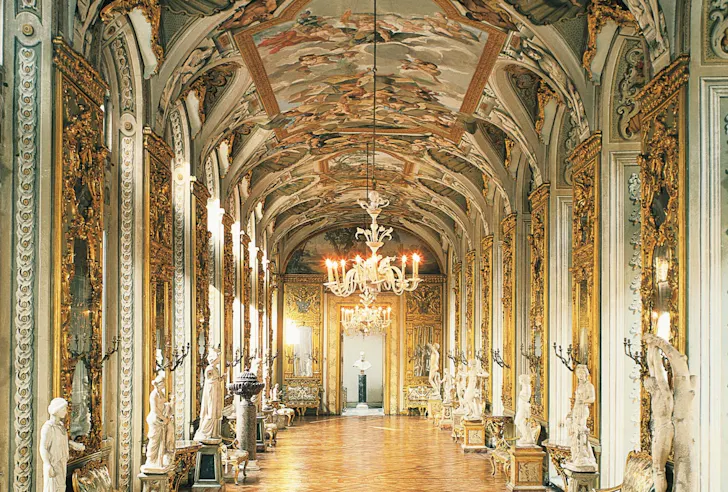 Image credit: Condé Nast | Website
Just off Piazza Venezia in the middle of Centro Storico, the Galleria Doria Pamphilj feels like stepping straight into a private world of old-money opulence. Still owned by the Doria Pamphilj family, this palatial gallery houses Rome’s largest private art collection—assembled over centuries through a web of powerful families and strategic marriages.
Inside, it’s deliberately overwhelming in the best way. Rooms are lined floor-to-ceiling with paintings, ornate furnishings and frescoed ceilings, designed to impress (and intimidate) visitors with sheer scale and grandeur. It’s a far cry from minimalist gallery spaces—this is maximalism, 17th-century style.
The collection leans heavily into Renaissance and Baroque heavyweights, with standout works by Caravaggio, Raphael and Diego Velázquez. The undeniable highlight is Velázquez’s portrait of Pope Innocent X—a striking (and slightly intimidating) work that’s hard to forget.
For a gallery this central, it still flies relatively under the radar—making it a standout when you want something a little more considered. The included audio guide, narrated by a member of the family, adds a personal edge that most museums can’t replicate.
National Roman Museum
Various locations
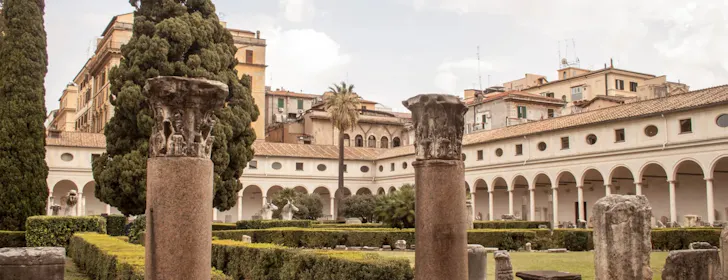 Image credit: Italia | Website
Rather than a single stop, the National Roman Museum is spread across four distinct sites—each offering a different lens on ancient Rome. You’ll find it housed within Palazzo Massimo alle Terme, Baths of Diocletian, Palazzo Altemps and Crypta Balbi (temporarily closed for restoration)—together forming one of the city’s comprehensive collections of classical art and archaeology.
If you’re short on time, start with Palazzo Massimo. This is where many of the museum’s standout pieces live, from finely detailed Roman sculptures to intricate mosaics and some of the best-preserved frescoes in existence—many lifted directly from ancient villas. It’s immersive without feeling too intense, and notably less hectic than Rome’s headline museums.
From there, each site brings its own mood. Palazzo Altemps feels quieter and more intimate, with grand staircases and softly lit rooms that showcase noble family collections in a setting that still feels lived-in. The Baths of Diocletian shift gears entirely—vast, atmospheric and architectural in scale, with cloisters designed by Michelangelo and exhibition spaces that encourage you to slow right down.
Then there’s Crypta Balbi, which traces the evolution of Rome from antiquity into the early Middle Ages through archaeological layers uncovered on site—offering a slightly different, more contextual perspective on the city’s history.
Taken together, it’s less about ticking off a single stop and more about choosing your own entry point into ancient Rome—whether that’s world-class frescoes, monumental ruins or quietly impressive sculpture collections.
MAXXI
Flaminio
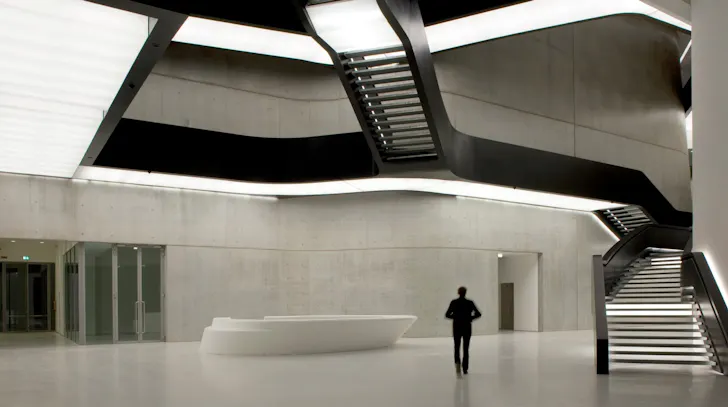 Image credit: Condé Nast | Website
If you’re craving a break from ancient Rome, MAXXI delivers something completely different. Located in the Flaminio neighbourhood, this is the city’s go-to for contemporary art, architecture and design—and yes, the building is just as much of a draw as what’s inside.
Designed by Zaha Hadid, the space is all sweeping lines, layered walkways and striking concrete forms that guide you through the museum in a way that feels anything but traditional. It’s less about neatly defined rooms and more about moving through a series of open, interconnected spaces that shift in scale and mood.
Inside, exhibitions rotate regularly, spanning everything from visual art and photography to fashion and film. There’s a small permanent collection, but the real appeal lies in what’s on at the time—making every visit feel different.
It’s the kind of place to wander without a strict plan, letting the architecture and exhibitions shape your route. Not one for ticking off quickly, but if you’ve got the time, it’s one of Rome’s most compelling cultural stops.
Castel Sant’Angelo
Lungotevere
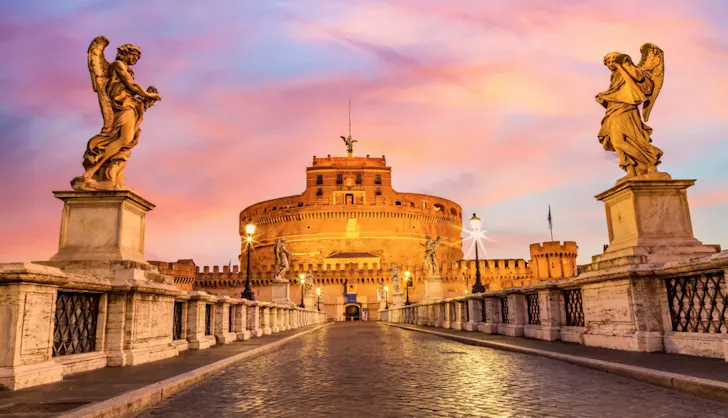 Image credit: Italia | Website
Sitting proudly on the banks of the Tiber, Castel Sant’Angelo is one of Rome’s most recognisable landmarks—and easily one of its most layered museum experiences. What began as a mausoleum for Emperor Hadrian in the 2nd century has since lived many lives, from fortress and papal residence to prison and, now, a museum.
The visit here is as much about the building as what’s inside. As you move through its thick stone walls, you’ll pass ancient chambers, papal apartments decorated with Renaissance frescoes and displays of military artefacts that trace its evolution through centuries of power and politics. There’s a real sense of progression as you climb—each level revealing a different chapter of its history.
One of the standout features is the connection to the Vatican via the Passetto di Borgo, a hidden elevated passage once used by popes to escape danger. And before you even step inside, the walk across Ponte Sant’Angelo—lined with dramatic angel sculptures designed by Gian Lorenzo Bernini—sets the tone.
Then there’s the finale. The rooftop terrace delivers sweeping views across Rome, from St Peter’s Basilica to the city’s terracotta rooftops, making it one of the best vantage points in the city—and a very good excuse to linger a little longer.
Galleria Spada
Centro Storico
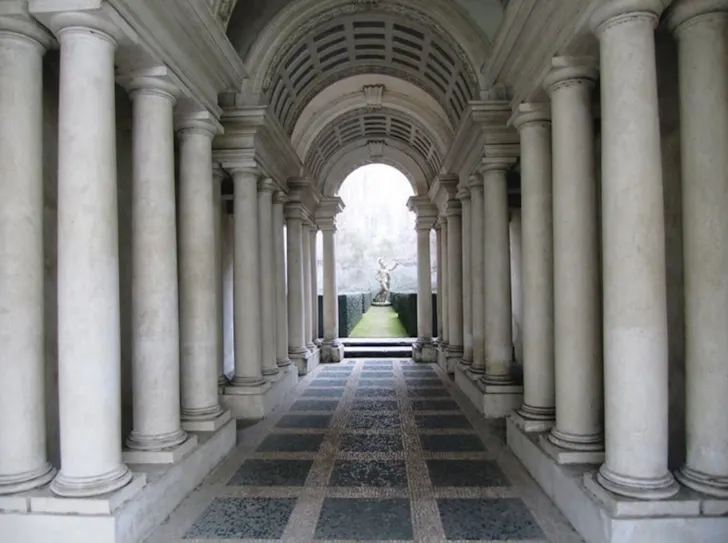 Image credit: The Geographical Cure | Website
In the heart of the Centro Storico, the Galleria Spada is a lesser-known stop that delivers something completely unexpected. Housed inside the 16th-century Palazzo Spada, it’s a small, intimate gallery filled with Baroque works from names like Caravaggio, Titian and Peter Paul Rubens.
But the real reason to come isn’t just the art—it’s the illusion.
Hidden within a quiet courtyard is Borromini’s Perspective Gallery, a mind-bending architectural trick by Francesco Borromini. At first glance, the column-lined corridor appears long and grand, stretching far into the distance. In reality, it’s only a fraction of that size, cleverly constructed to distort perspective and play with depth in a way that still feels surprising centuries later.
It’s quick to visit and entirely worth the detour—especially if you’re after something a little different from Rome’s more traditional museum circuit.
National Gallery of Modern and Contemporary Art
Parioli
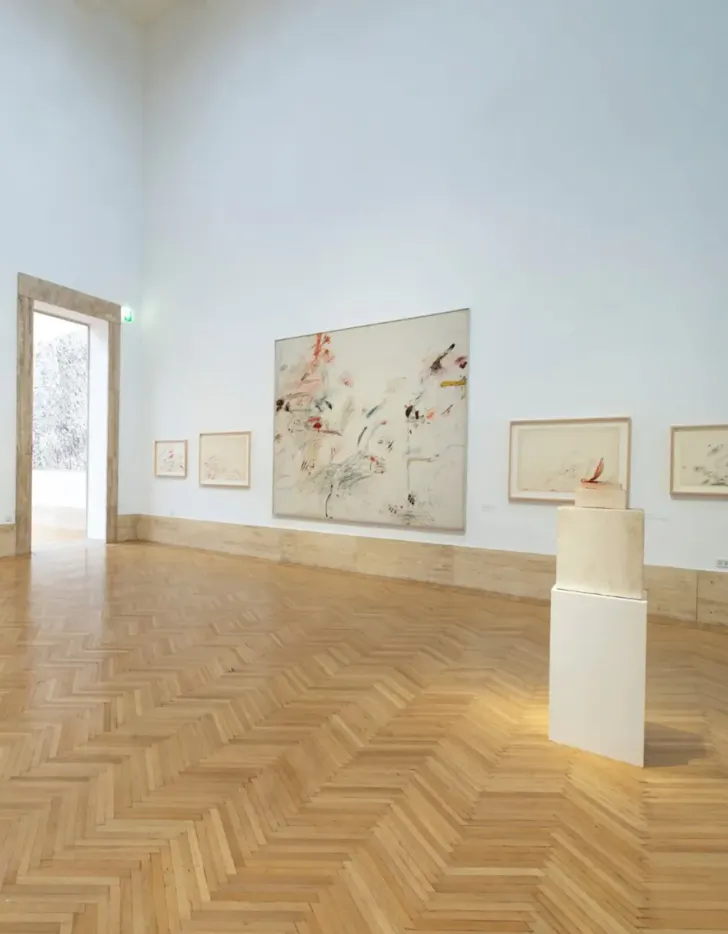 Image credit: National Gallery of Modern and Contemporary Art | Instagram
Set within the greenery of Villa Borghese, the National Gallery of Modern and Contemporary Art offers a refreshing shift away from Rome’s ancient icons and into the world of modern art. Housed inside a grand Beaux-Arts building, it’s often overlooked thanks to its tucked-away location—but that’s part of the appeal.
The collection spans from the 19th century through to today, tracing the evolution of Italian art alongside major international names. You’ll find works from movements like the Macchiaioli and Futurism, alongside pieces by artists such as Claude Monet, Edgar Degas and Vincent van Gogh—creating a dialogue between Italian and European art that feels both cohesive and varied.
The layout leans more conceptual than strictly chronological, with galleries organised around themes and ideas rather than timelines. Combined with high ceilings, natural light and generous spacing, it’s a gallery that invites you to explore at your own pace and follow what catches your eye.
With more than 20,000 works across painting, sculpture and installation, you can choose to dip your toes in or spend hours wandering—especially if modern and contemporary art is more your speed.
Urban List Best Of: has our highest stamp of approval—curated lists of the very best recommendations for you to eat, do, see, buy or book, carefully chosen by our Editors.

The Best Rome Neighbourhoods To Stay In 2026

10 Of The Best Coffee Spots In Rome For When You Need A Caffeine Fix
