
“There’s Too Much French Wine In The World”—The State Of Chinese Wine In Australia
 Eloise Luke
Deputy Editor (Local Markets) | Urban List

If you consider yourself a bit of a wine snob, you’re probably used to studying the origins of a bottle before ordering—whether it’s on a restaurant wine list or the shelves of your local bottle-o. France, Italy, Spain and regional Australia tend to dominate the conversation, shaping the backbone of most wine lists across the country.
Entire wine cultures exist beyond those familiar regions—but they rarely make it into Australian glasses—and Melbourne-based sommelier and importer Hamish Williams is trying to change that.
Through his label Periphery Wine, Hamish is introducing Australian drinkers to Chinese wines—an emerging category he believes deserves a place alongside the world’s most established wine regions.
“It’s one of those things that I didn’t really find—it sort of found me,” Hamish tells me.

The idea began while he was working as a buyer at Melbourne bottle shop Cardwell Cellars, where representation and diversity across the wine list were central to the venue’s ethos. While reviewing the store’s global offering one day, Hamish noticed something unexpected.
Among the world’s largest wine-producing countries, China was the only one missing from the shelves.
“I asked my manager why, and he said he’d never seen any,” Hamish recalls. “I tried to ask him more but he couldn’t really give any answers—so I went home and started investigating it.”
What began as curiosity quickly spiralled into a deep dive. Within six months, Chinese wine was on its way to Australia—and Periphery Wines had begun taking shape.
For Hamish, the project quickly became about more than simply filling a gap on a wine list. The real appeal lay in championing regions and cultures that rarely appear in the global wine conversation.
“The main thing that’s been really exciting to me is looking at countries and cultures that may not be as well represented in the alcohol industry, especially the wine industry, and trying to champion that,” he says.
“There’s too much French wine in the world.”
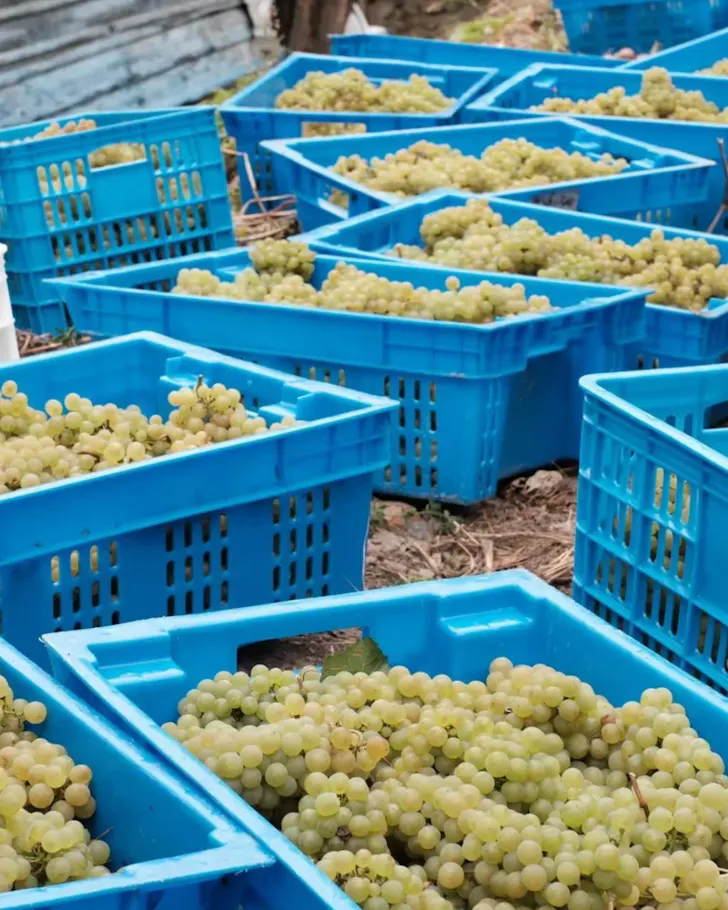
Championing Chinese wine in Australia naturally raises questions, particularly as Hamish himself acknowledges he’s approaching the space from outside the culture he’s promoting.
“I’ve never had to experience many of the challenges that Chinese communities have faced around the world,” he says.
“So while I can talk about these wines, I want to acknowledge that this perspective comes from someone who is not actually Chinese.”
Instead, he sees his role as helping open the door and encouraging drinkers to reflect on wine culture as a global trend, not just European.
“This has been a learning experience for me as well, and if I can use my enthusiasm to champion these producers and give them a platform they might not otherwise have had, that’s the most important thing.”
Changing perceptions in Australia, however, isn’t always straightforward. The local wine scene can be stubbornly loyal to familiar regions, and Hamish admits there are plenty of drinkers who simply aren’t interested in looking beyond them.
“If someone says, ‘I only drink Barossa Shiraz,’ I’m not going to keep trying to convince them otherwise,” he laughs.
Instead, he focuses on the curious drinkers—those willing to explore unfamiliar bottles and regions.
“That’s one of the most powerful and important things about wine—having different perspectives and stories shared with people who may not otherwise know about them.”
"The origin stories of Emma Gao from Silver Heights, Ian Dai from Xiao Pu, and Leqi Liu from Tinnyu, as well as their approach to wine and how it's informed by their surroundings, are something I love to share."
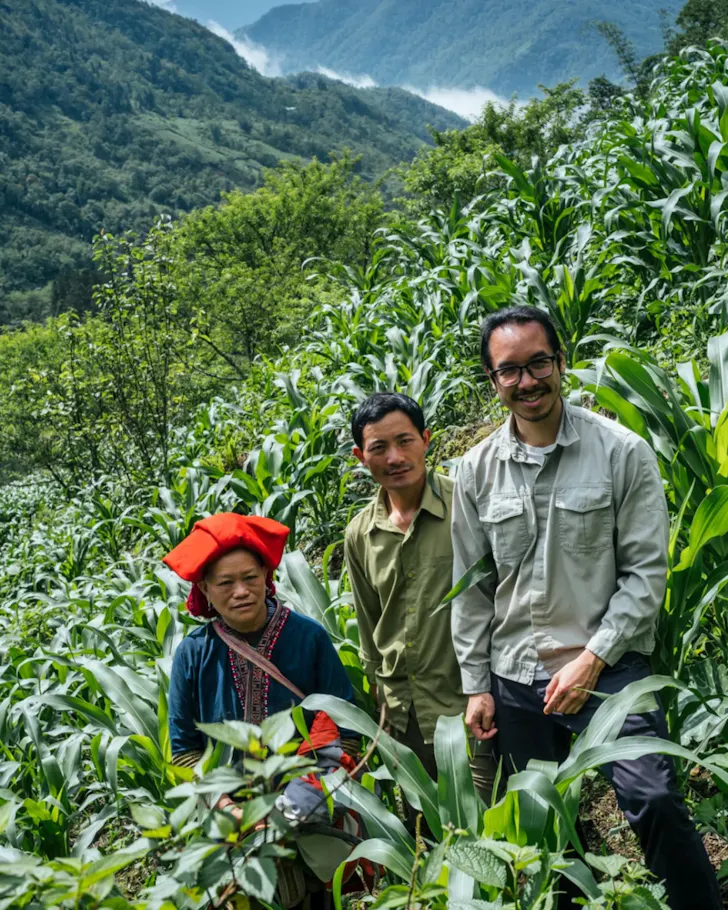
For anyone still unsure what Chinese wine might taste like, Hamish insists the concept is far less mysterious than it sounds.
“This is the funny thing—it’s just wine,” he says.
“It’s honestly no different from grapes grown in Australia or Europe. It’s the same thing, just grown in China.”
Where the wines often differ is in style. While many Australian wines lean fruit-forward, Chinese producers frequently favour more savoury expressions and longer ageing.
“These wines focus more on secondary and tertiary characteristics—things that develop during fermentation and ageing,” Hamish explains.
The result is typically a wine that feels more savoury, layered and slow-burning in its complexity.
Despite its niche status, Chinese wine has already begun appearing on some adventurous Australian wine lists. Hamish points to Sydney venue Famelia as one of the earliest supporters.
“In Sydney, Famelia has been amazing,” he says. “They’ve been very open-minded. More than half of the producers I import are female winemakers, so Famelia being a major supporter has been fantastic.”
Meanwhile in Melbourne, Cantonese fine-dining restaurant DOM Southbank has taken things a step further, becoming the first venue in Australia to offer an exclusively Chinese wine list.
“They only serve Chinese wine, which has been very exciting to work with,” Hamish says.

For him, it represents the kind of shift he hopes to see more widely across the hospitality industry.
“When you go to a French restaurant, you drink French wine. At an Italian restaurant, you drink Italian wine,” he says.
“If there’s an opportunity for places to champion Chinese wine alongside Chinese food—just like those other cuisines—that makes a lot of sense.”
Hamish doesn’t expect Chinese wine to suddenly dominate Australian wine lists—and he’s perfectly comfortable with that.
“It’s not like in two years Chinese wine will suddenly dominate wine lists,” he says. “There’s value in it being something a bit unexpected.”
Looking ahead, the future of Periphery Wines may stretch far beyond China. Hamish talks enthusiastically about importing from other underrepresented regions—from Mexico and Peru to Brazil, Lebanon and Eastern Europe—places producing remarkable wines that rarely make it to Australia.
He’s also increasingly interested in beverages that push the boundaries of what wine itself can be.
“I recently tried a fermented mango sticky rice beverage—mango, sticky rice and coconut milk fermented into something really complex,” he says.
“These drinks have such a strong sense of place and tell really interesting stories. Things like that can bring a lot more excitement to the beverage world than just the same old European grape wine.”
For Hamish, that’s ultimately the point: expanding what Australian drinkers expect to see in the glass—and reminding people that the world of wine stretches far beyond the handful of regions we’ve grown comfortable with.
Image credit: Puchang Vineyard | Supplied

Sydney’s Oldest Cafes, Restaurants And Pubs That Are Still Serving Today

Vivid Sydney 2026: An Editor’s Guide On What To See, What To Eat And How To Get There
