
“The Missing Piece In Circular Fashion Is People”: Marcus Crook On How HoMie Puts Community First
 Emma Bishop
Head Of Content: Features And Lifestyle | Urban List
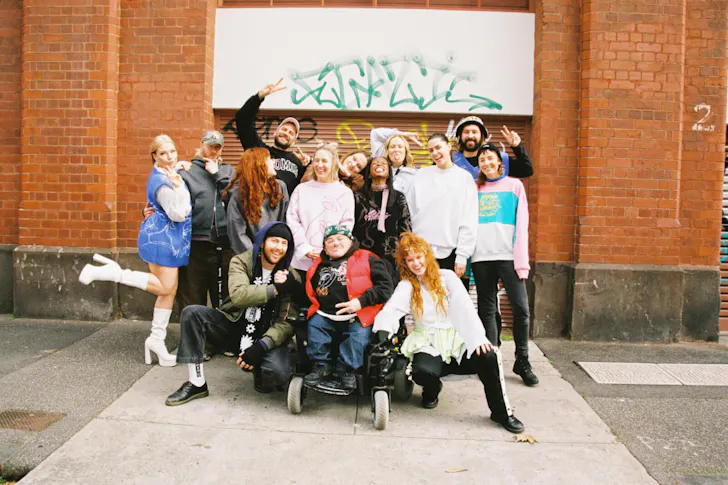
Step into a HoMie store and one thing hits you: it's the people who make this place special.
Staff are styled to absolute perfection, sporting layered, eclectic grunge and the brand's signature streetwear. They're also just genuinely happy to be there.
This is a place where people are encouraged to show up exactly as they are.
"We provide the platform, but it’s the people who rock up every day and put in the work that make HoMie what it is," shares co-founder, creative director and Urban List's guest editor Marcus Crook.
From a humble Facebook page to a flagship store in Fitzroy, the Melbourne-born streetwear brand and its offshoot REBORN by HoMie have scaled fast since launching in 2015. But it's never been about chasing trends or cultural capital—it’s always been about serving community.
HoMie's mission is simple: support young people affected by homelessness and keep garments out of landfill.
As of 2026, the brand has supported over 4,000 young folks through its social impact programs, covering everything from retail training to upcycling and marketing. And a whopping $600K from sales has gone straight back to supporting those staff with living wages.
10 Cities, One Lesson
Creating sustainable job pathways for disadvantaged folks isn’t a challenge unique to Australia. So in late 2025, Marcus hopped on a plane for the Churchill Fellowship, travelling across ten cities to see how brands are approaching circular fashion and people in practice.
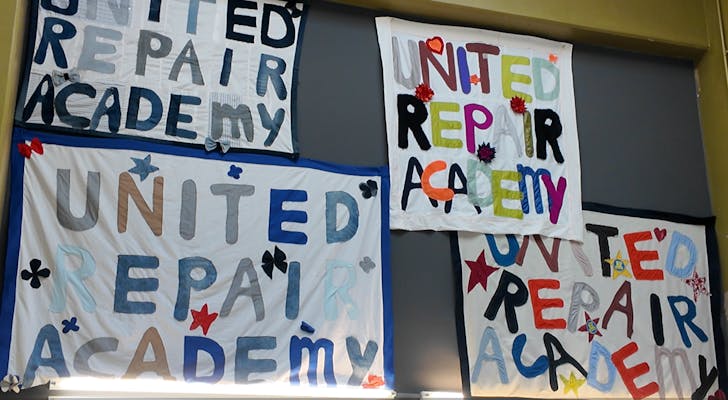
“Fashion can be a big vehicle for change," shares Marcus.
"I wanted to speak to people who are on the ground doing the work.”
From big-city America to Bangladesh, one theme was clear: labour is central to sustainability.
“At Homeboy Industries in L.A, a not-for-profit that provides opportunities for thousands of people coming out of incarceration or gang involvement to get into the workforce, the emphasis was never on 'fixing' people. It was on building systems that work."
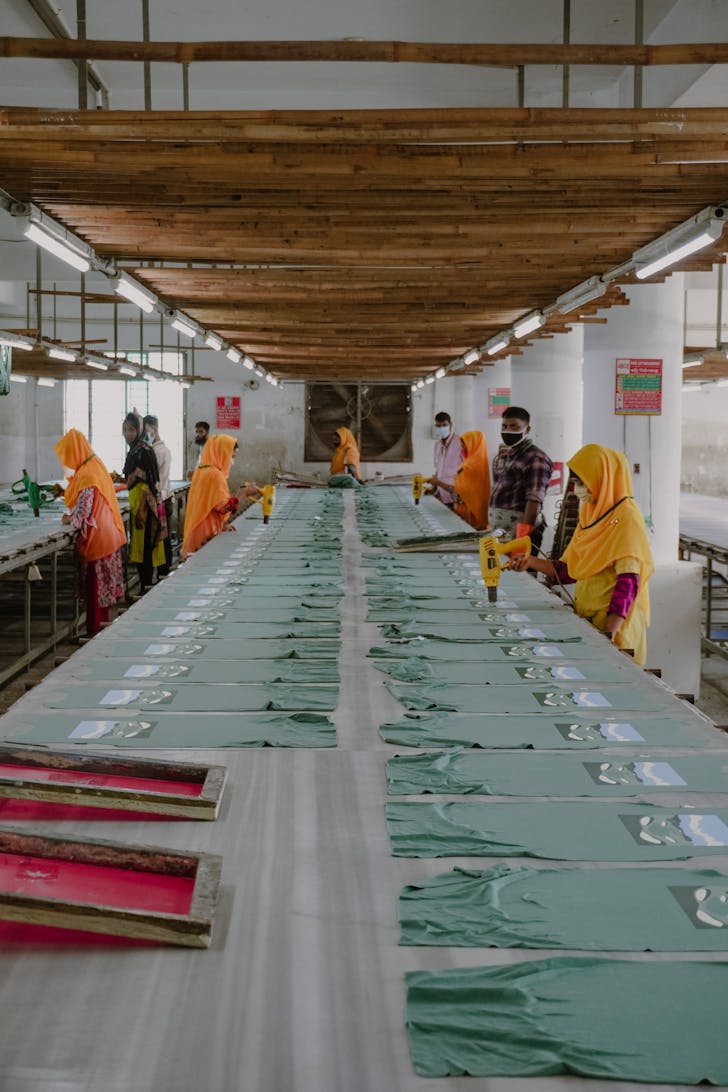
In Bangladesh, one of the world’s largest apparel producers, Marcus was struck by the culture of care and a genuine sense of job satisfaction among the workers.
“Working in fashion, you have stereotypes of sweatshops and working conditions. The [fashion] industry in Bangladesh is helping people to break out of poverty.”
While the massive environmental benefits of circular fashion are well documented, the trip reinforced that circular fashion only works when people are at the centre.
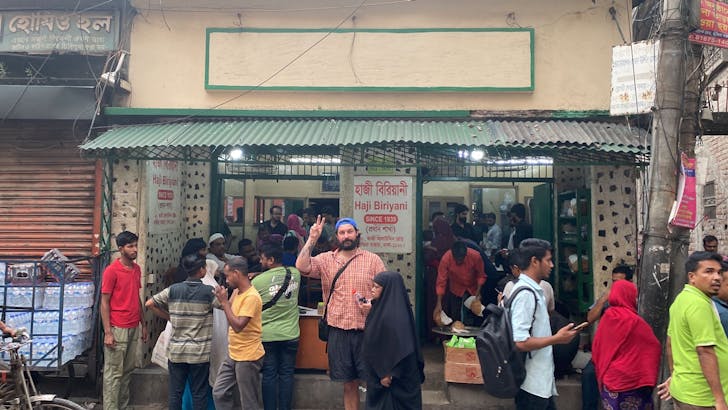
People At The Centre Of Circular Fashion
Heading home, Marcus has found many common threads with the work he does at HoMie.
"It reinforced what we're doing—providing job pathways for young people," he shares.
As for this year's agenda, the streetwear brand is showing no signs of slowing down. "We're lining up more Store Sessions with musicians, continuing with our 8-month and 10-week employment programs for young people, and upcycling more garments to save them from landfill with REBORN."
And Marcus remains committed to his people. “It’s not us. It’s the people who are changing their lives.”
Read More Australian Stories

“It’s Gut-Wrenchingly Personal”: Grace Woodroofe Unpacks A Toxic Relationship In Her Return To Music

Food Writer Becca Wang Shares Her Go-To Lunar New Year Recipes For Year Of The Horse
