Australians Are Being Encouraged To Work From Home And Drive Slower To Save Fuel

If you thought the return-to-office wars were intense, the next plot twist might come from somewhere far less corporate and far more… geopolitical.
Because right now, the International Energy Agency (IEA) is essentially saying: ride your bike, stay home, and maybe drive like your nan.
You Might Also Like:
- How Rising Fuel Prices Could Start Showing Up On Restaurant Menus
- From Burleigh To Cooly: The Coast Is Getting Connected
- Renting In Sydney? This New Bond System For NSW Changes Everything
 Image Credit: Netflix
Why We're Being Told To Work From Home Again
The global energy watchdog has issued a list of emergency measures aimed at tackling soaring oil prices, and working from home is right at the top.
This isn’t about workplace culture or productivity hacks. It’s about a major global oil supply shock, triggered by escalating conflict in the Middle East and disruptions to key supply routes like the Strait of Hormuz.
Why Is There A Fuel Shortage In Australia?
The current oil crunch can be traced back to escalating conflict between the United States and Iran—a tension that has sharply intensified under the Trump administration. After withdrawing from the Iran nuclear deal and reimposing heavy sanctions, the US placed sustained pressure on Iran’s economy and oil exports, setting off a cycle of retaliation that has simmered ever since.
Fast forward to now, and that long-running hostility has tipped into open conflict, putting the Strait of Hormuz—a narrow passageway carrying roughly a fifth of the world’s oil—squarely at risk. Even the hint of disruption here sends markets into a spiral, with shipping routes threatened, insurance costs surging, and supply chains tightening. The result is a domino effect: less available oil, higher global prices, and governments urging people to cut back on fuel use wherever possible.
Long story short, the world is running low on easy-access fuel, and things have gotten expensive, fast.
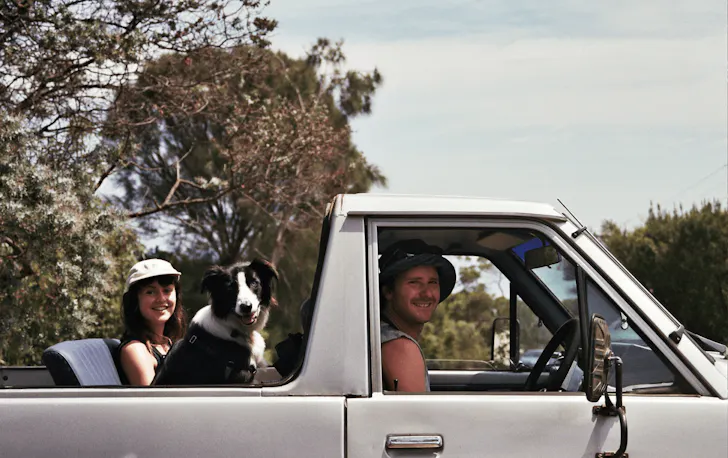
Image Credit: Urban List
Across regional Australian towns, petrol stations are already running dry, with some communities reporting they’ve been completely cut off from both petrol and diesel as global supply disruptions collide with local bottlenecks.
Wholesalers have begun rationing deliveries, in some cases halting supply to regional distributors altogether, while panic buying has sent demand soaring beyond what fragile country supply chains can handle. The result is a patchwork of shortages: towns restricting fuel to emergency services only, farmers unable to operate machinery, and small businesses grinding to a halt. Add in Australia’s heavy reliance on imported fuel and the sheer distance it takes to move it inland, and regional communities are bearing the brunt first and hardest.
The “Slow Down And Stay Home” Plan
The IEA has laid out a slightly dystopian to-do list for governments, businesses and individuals:
- Work from home where possible
- Reduce speed limits by at least 10km/h
- Use public transport instead of driving
- Carpool or share rides
- Cut back on flights (especially business travel)
- Introduce car-use restrictions in cities
- Shift energy use toward essentials like cooking
It’s lockdown energy, minus the sourdough starter and slow descent into madness.
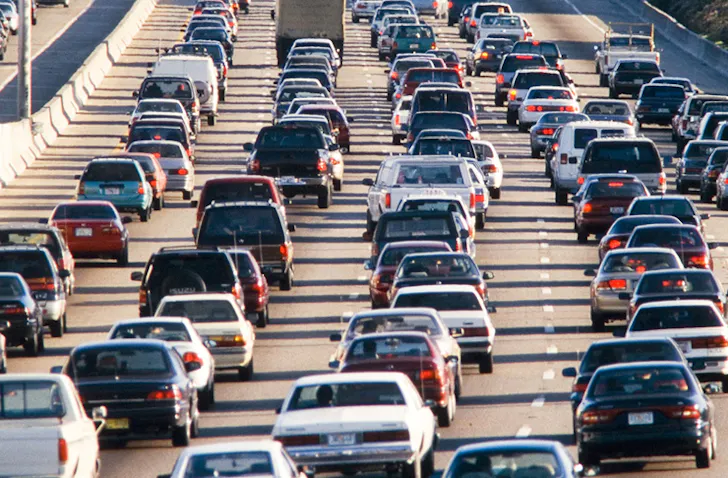
Image Credit: Unsplash
Why Your Commute Is Suddenly A Global Issue
Here’s the kicker: road transport accounts for a huge chunk of global oil demand, with passenger cars doing most of the heavy lifting.
So every commute, school run, and “quick trip to Woolies” adds up on a global scale.
The IEA estimates that increasing work-from-home days alone could significantly cut oil use from cars, while slower driving could shave off another chunk.
Oil prices have already surged past $130 a barrel, with fears they could climb even higher if disruptions continue.
Even after releasing massive emergency reserves, experts are warning that supply alone won’t fix this. The world can’t just pump its way out of the problem, it has to use less.
Which is where all these lifestyle shifts come in.
So, Are We Actually Going Back To WFH?
Not officially, no. However.
Governments around the world are already considering or implementing some more extreme measures, especially those that reduce commuting and fuel demand.
And unlike previous return-to-office debates, this one isn’t about office culture or overheads. It’s about stabilising economies, protecting households from rising costs, and avoiding fuel shortages. Casual.
What started as a pandemic necessity and evolved into a workplace perk (hi, if you’re reading this sans pants in your living room) is now circling back as an economic survival tool.
What we wouldn't give for just one precedented time.
In the meantime, put your comfy shoes on, head to your favourite cafe, and don't forget to support your favourite venues.
Breakin' News

The New Western Sydney International Airport Will Open This October—Here’s Everything To Know

A $1.5B Italian Dining, Retail And Residential Precinct Is Coming To The Heart Of Newstead

Perth’s New Midland Station Officially Opens As Metro Reaches Final Milestone
See more Urban List in Google Search.