
Aussie Theatre Director Kip Williams Built A Global Career By Asking The Questions Nobody Else Would
 Maisie Gray
Commercial Content Strategist | Urban List
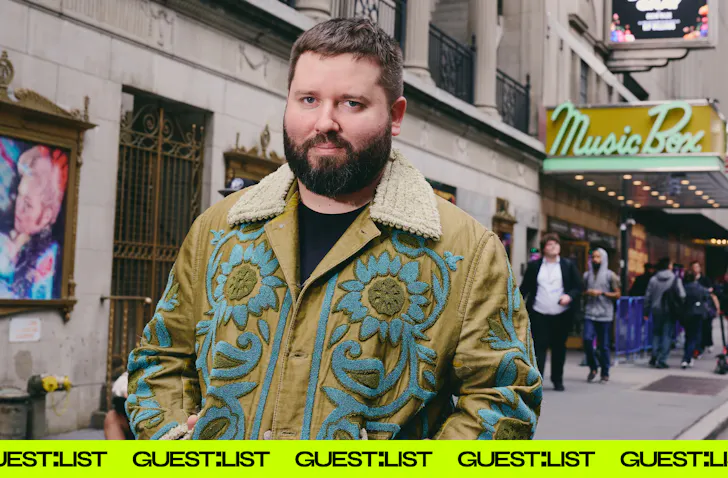
"Unless I'm slightly scared of doing it, there's no point."
Fear. For most of us, it’s a reason to pull back, outrun, catastrophise. For theatre director and writer Kip Williams, it's the reason to lean in.
He’s spent the past few years taking his groundbreaking productions—from The Picture of Dorian Gray and Dracula to The Maids—from Sydney to the West End and Broadway. By most good measures, he's already made it.
But five minutes into our sit-down with the youngest Artistic Director in Sydney Theatre Company history, it was clear that it’s curiosity, rather than success, that drives him. The kind that keeps him asking bigger questions, chasing complex ideas and willingly taking a leap into the dark.
"No matter how well something goes... you're always starting at ground zero from that same place of thinking, 'Okay, I actually know nothing,'" Williams shares.
And that's exactly where he wants to be. Because for the fear-driven 40-year- old, the most interesting work has always started with not knowing where you'll land.
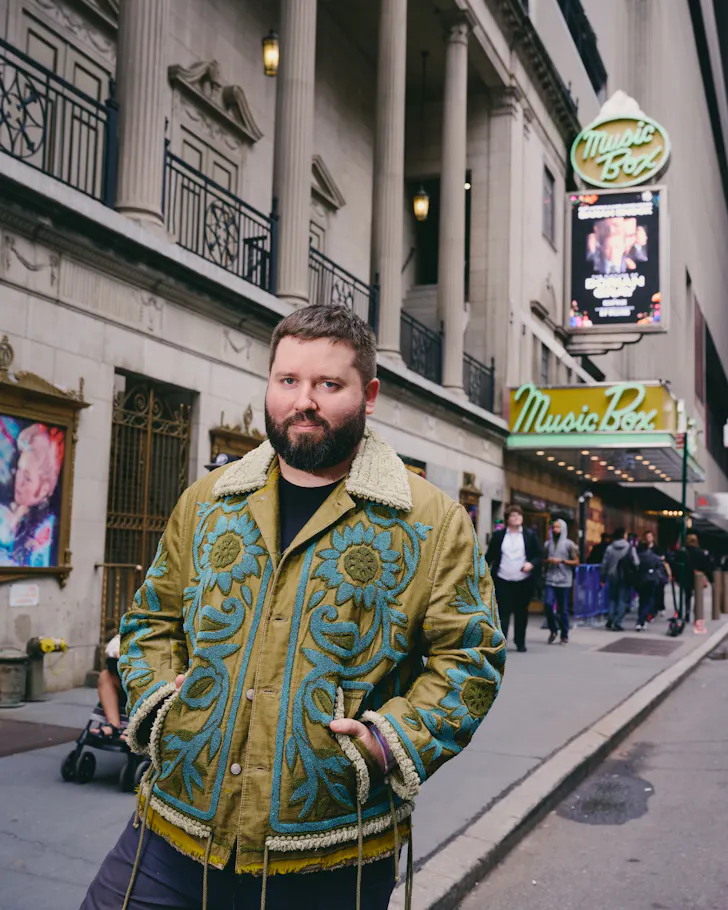
Image credit: Kip Williams
Towards The Unknown
Often spoken about as a CV-approved trait bound to land you a contract, Williams is under the impression that curiosity is a formal responsibility.
Growing up surrounded by artists—his grandmother an acclaimed stage actress, his uncle a composer, his parents endlessly encouraging creativity—he spent his early days writing plays and brainstorming ideas, long before he even knew what a professional path in directing could look like.
But somewhere along the way, it was that ingrained curiosity and demand for more than just the facts that evolved into something much bigger than artistic experimentation.
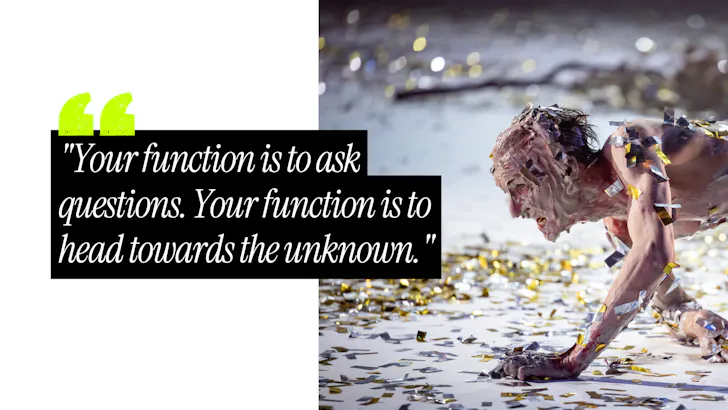
Image credit: Kip Williams
Making theatre is inherently vulnerable. You put something you’ve poured hours, days and even years into on stage and ask a paying audience to judge it. For Williams, if you're going to expose yourself and put yourself in the spotlight, it should be in pursuit of something that genuinely scares you.
But with the likes of Shakespeare at the helm, that true sense of vulnerability feels increasingly rare in an industry often rewarded for repeating what already works. Making the fact that Williams has built a career doing precisely the opposite, pretty damn cool.
Reinventing The Rules
Ask any Kip Williams fan what makes his work so distinctive, and chances are they'll point to his use of live cameras, cinematic projections and seamless blending of stage and screen, which have become his signature.
But reducing his work to "technology in theatre" misses the point entirely.
For Williams, the use of technology has never been innovative. The innovation is always the questions its use allows him to ask.
"I don't see how you can be telling stories about the lives we're living right now without exploring the way this technology is changing us."
While some critics have labelled his productions the future of theatre, others have accused them of threatening theatre itself. Williams finds the contradiction amusing.
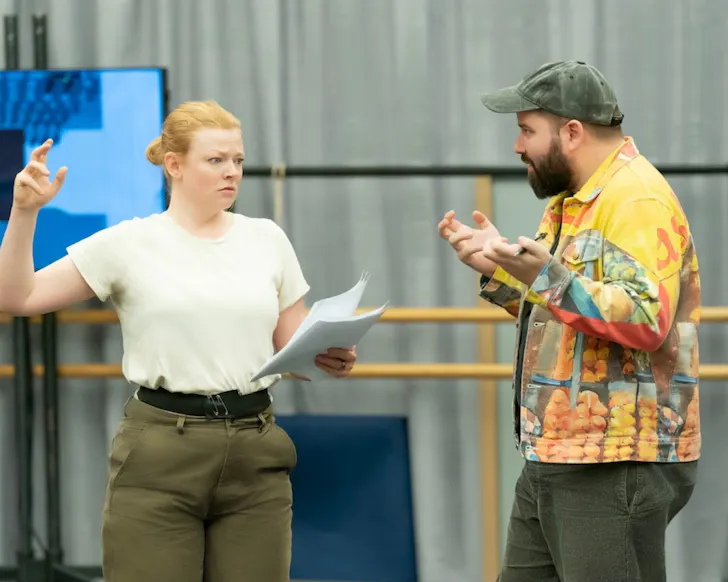
Image credit: Kip Williams
"Actually, it's the technology itself in our lives that is that threat, and perhaps the way I'm using it is reflecting that, critiquing it, and asking very urgent questions about how we're living."
It's one of the reasons younger audiences have connected so deeply with his work. Rather than pretending smartphones, screens and digital identities don't exist, his productions place them centre stage, using theatre to unpack how they've reshaped the way we see ourselves and each other.
"We've been using technology in theatre since we used fire to create shadows."
Reinforcing that, for Williams, theatre has never been a static art form. It’s always evolved alongside the tools that support it—and today's technology is simply the next chapter in that story.
Looking Back To Move Forward
When you look at Williams' body of work, it's easy to assume he's drawn to classic texts because of a love of history. In reality, it's almost the opposite. Whether it's Dracula, The Picture of Dorian Gray or The Maids, Williams has little interest in preserving the canon. Instead, he returns to these stories to challenge them, crack them open, contradict expectation and uncover entirely new ways for audiences to experience them.
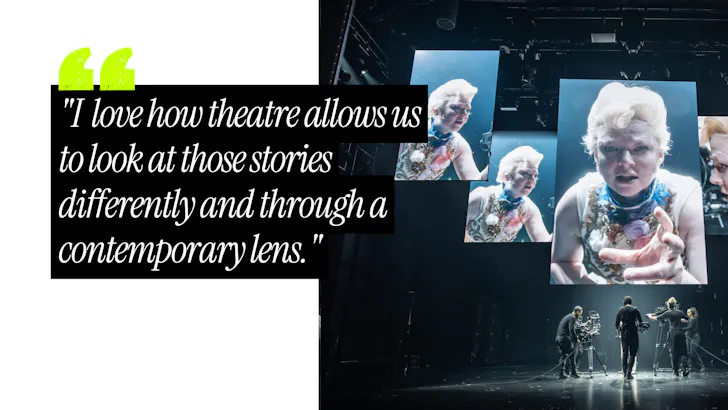
Image credit: Kip Williams
Pointing to Oscar Wilde's obsession with youth, beauty and image, these ideas written long before social media existed, appear even more relevant today.
"Oscar Wilde had no idea the mobile phone was going to come along and turn the dial up on narcissism... but he was aware of a society obsessed with youth and beauty."
And to Williams, that’s what sums storytelling up. The greatest stories don't age over time, they simply find new mirrors.
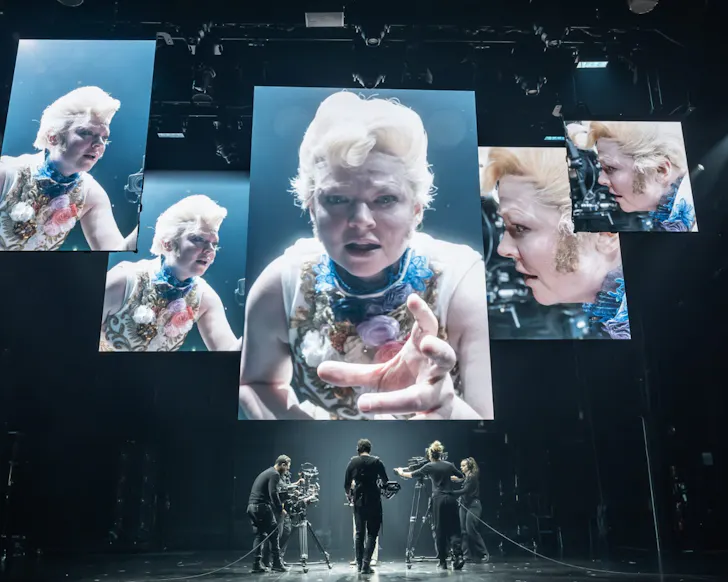
Image credit: Kip Williams
Sydney, Always
Despite spending recent years bouncing between London, New York and some of the world's biggest stages, for Williams returning to Sydney was about returning to himself.
"I've missed it a lot… friends and family, my colleagues, but life in Sydney. It's a beautiful, beautiful way to live."
It's where he resets, writes, spends time with his new nephew and quietly prepares for whatever comes next, which currently includes both screenplays and plays.
It would be easy to assume his return has allowed room for reflection, but Williams doesn't spend much time looking backwards.
Asked to reflect on years of extraordinary international acclaim, his answer was almost dismissive.
"I think you can risk looking backwards too much."
Instead, his true focus is keeping his pen on the next blank page, and Sydney allows him the space and grace to do just that.
The Fight For A Creative Australia
When delving deeper into the place he calls home, it was speaking to the Australian scene that Williams’ passion became impossible to miss.
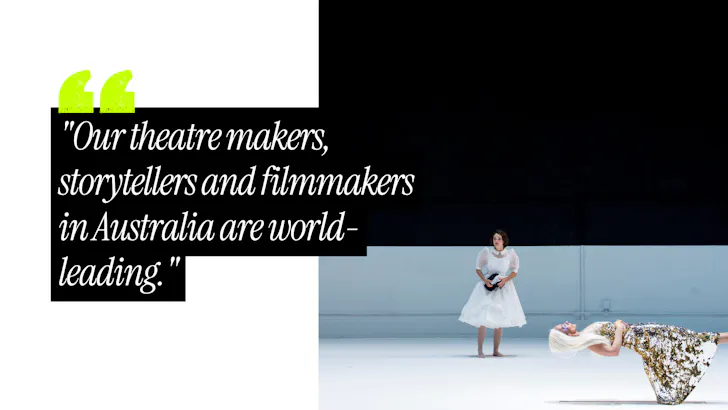
Image credit: Kip Williams
He's unwavering in his belief that Australia is home to some of the world's most rule-breaking creative talent and the audiences to match. But that optimism is quickly tempered by frustration at how little support the industry receives.
"Our government must fund it better."
For Williams, underfunding doesn't just mean fewer ambitious productions today. It quietly erodes the next generation of artists, forcing creative institutions to play it safe instead of taking the kinds of risks that push culture forward.
"The first thing that goes is the ability to develop the next generation," he says.
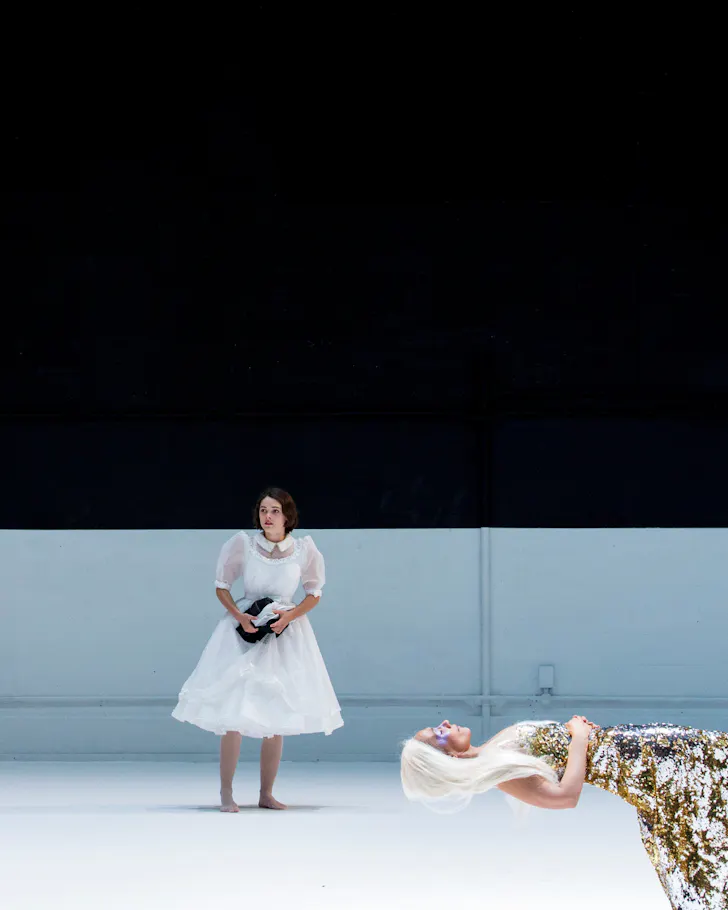
Image credit: Kip Williams
It's one of the few moments in our conversation where curiosity gives way to conviction. Because while Williams has built a career on stepping into the unknown, there's one thing he's certain of: if Australia wants to keep producing artists who redefine what's possible, it has to back them long before the rest of the world does.
And maybe that's the thread running through everything Williams creates. Strip away the accolades, the standing ovations and the Broadway credits and what remains is the same instinct that's guided him from the very beginning. Ask better questions, embrace uncertainty and trust that the most meaningful work is usually found in the places that scare you most.