From Wingstop To Wendy’s: Why Australians Are Suddenly Embracing American Restaurant Chains
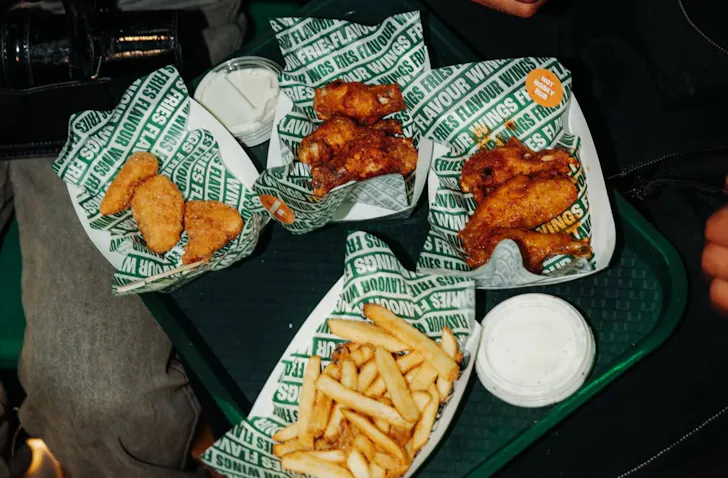
For years, Australian dining culture prized intimacy, curation and a certain type of laid back effortlessness that made you feel like you were “in” on a local secret.
But now, the year is 2026 and the pendulum is swinging. Dim lights are being cranked to full beam, to make way for a bigger, louder and distinctly American form of hospitality that’s rolling into town. Over the past 12 months entertainment-led dining giants Wingstop, Haus of Wendy’s, Bubba Gump Shrimp, Dave & Busters, Auntie Anne’s and Eggslut either opened doors or announced expansion across Australia. And while Perth and Brisbane are proving to be popular landing spots for these family friendly chains, it would be mistaken to assume the demand stops at suburban audiences.
When Wingstop opened in Sydney’s Kings Cross in May 2025, it was met with 20 consecutive days of families, content creators, tourists and teenagers forming one orderly line that wrapped around the building and down Victoria Street. “Wings Cross” it was dubbed by the media in the days that followed its grand opening, with vox pops showcasing people drove hours to get their hands on the brand’s famous wings and ranch—to relish in the familiarity of something they’ve frequently seen but never before had access to.
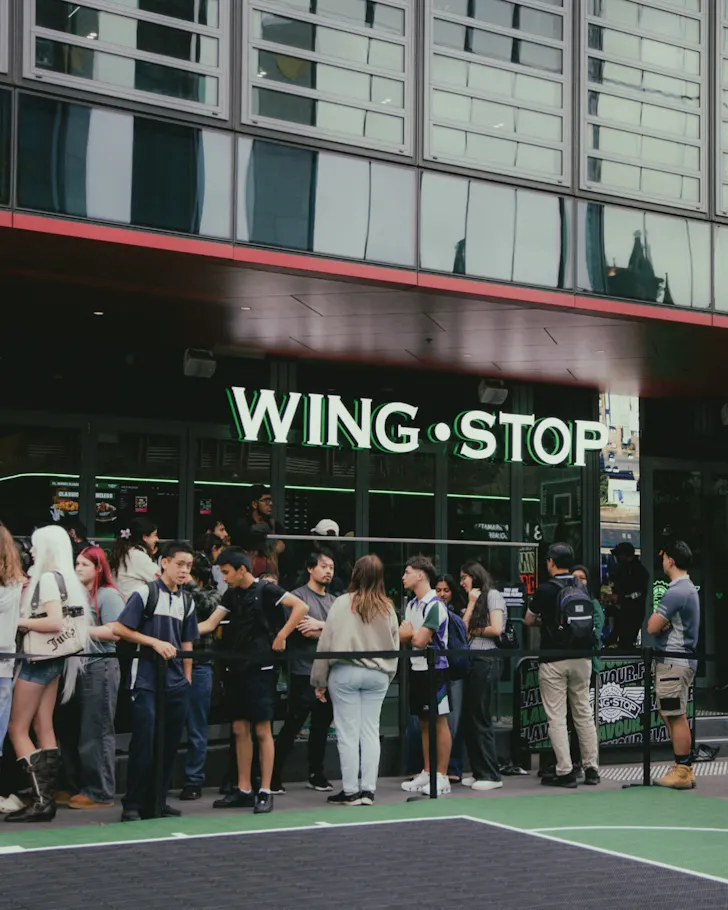 Image credit: Wingstop Australia | Instagram
Similarly, the launch of Wendy's Queensland launch earlier this year broke Wendy’s opening week sales records globally—with their upcoming Melbourne launch anticipating a similar result.
But the question remains: why exactly are American chains suddenly resonating so strongly with Australian diners?
“What’s changed is the level of awareness these brands have before they even arrive,” GoTab Australia General Manager, Nathan Merriman, tells Urban List.
“Through social media, streaming platforms and international travel, many Australians already know the menu, the experience and the brand story before the first venue opens.”
GoTab is a US Hospitality platform working with venues across Australia and North America. Through Nathan’s work, he sees Australia as an increasingly attractive market for hospitality brands, with dining out continuing to play a significant role in our social culture.
“Australia is also a sophisticated hospitality market with customers who are willing to embrace new experiences. For international brands, that’s a compelling combination.”
“There’s strong demand, high engagement and an audience that’s often already familiar with the product.”
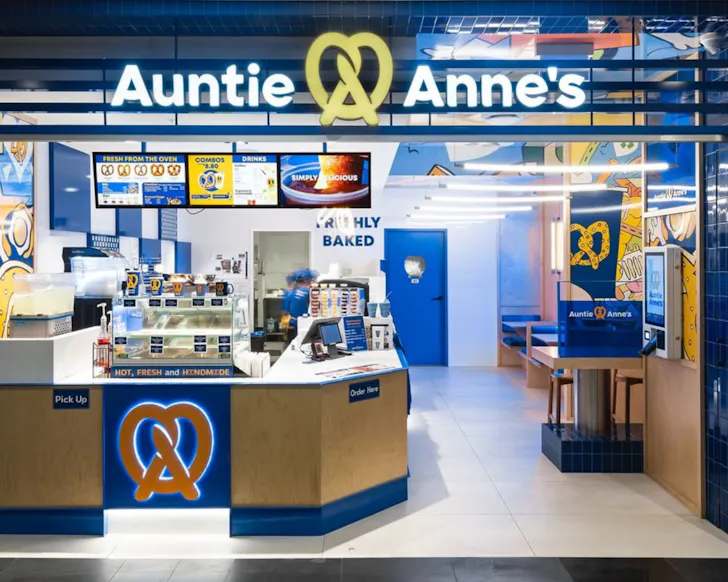
Image credit: Auntie Anne's Australia | Instagram
Diners aren’t just attending these venues to try out a menu they can recite by heart, but to step into a place they’ve already encountered online. It’s akin to walking onto a movie set, where the lighting, props and cast are all part of the experience.
It’s this merging of eating and entertainment that gave rise to eatertainment—a term that has gained traction in recent years as restaurants increasingly lean into the format of experience-led dining. And while the concept itself is not new, its current prominence in Australia says something about the broader economic and cultural climate shaping how people are dining out.
“Consumers are becoming more selective about where they spend their discretionary income. People are looking for experiences that feel worthwhile, whether that’s a unique menu offering, a strong atmosphere or something they can’t easily replicate at home,” says Nathan.
“The trend tells us Australians still value dining out and social experiences, but expectations are higher than they’ve ever been. Consumers want more than convenience; they want something memorable.”
And perhaps its rise says less about novelty than it does about timing. In the post-COVID era, as dining out became more considered under rising cost-of-living pressures, people wanted more than good food—they wanted fun. Something that justified leaving the house, and spending money in the first place.
Social media, primarily TikTok, has amplified that shift, allowing customers to pre-live a restaurant long before they ever set foot inside. Online, diners can sift through the menu, countless food reviews and queue times before deciding whether it's worth the spend—by the time they arrive, the only thing they need to be sold is reassurance.
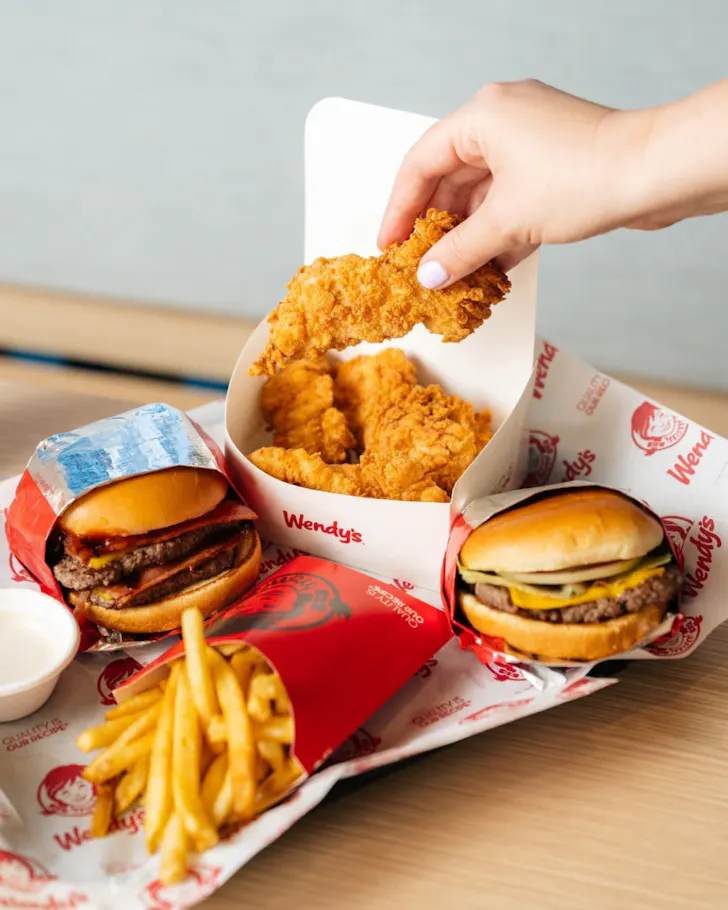 Image credit: Wendy's Australia | Instagram
For independent restaurants, the rise of eatertainment presents a challenge. Local intimate venues are never going to be able to compete with large scale hospitality groups on spectacle alone, nor will they sacrifice their authenticity to try and remain current. If anything, the industry may have to re-evaluate the core principals of what makes a good venue, and what draws someone back as a repeat customer. Realistically, no restaurant can rely on novelty alone.
“Australian hospitality operators have always been incredibly resilient and adaptable, and that’s unlikely to change. The venues performing well today are the ones that continue to evolve alongside changing customer expectations, while staying true to what makes them unique,” says Nick.
“The arrival of more international brands reflects a hospitality sector that is becoming increasingly competitive and dynamic. It raises customer expectations, but it also creates opportunities for local operators to innovate, differentiate themselves and continue delivering experiences that resonate with Australian audiences,” he adds.
And perhaps that’s the biggest shift taking place. Not that Australia is becoming Americanised by the arrival of popular US chains, but that dining itself has become less rigid, exclusive, and more fun. Today’s diners want to see value in where they’re placing their hard-earned money, whether that’s an unexpected collaboration, an immersive experience, a limited edition menu or even something as simple as a freebie.
These tactics aren’t exclusive to the big US chains, but many of these groups who were once dismissed as overly commercial or culturally excessive, now feel quite aligned with the moment.
Whether the current wave of American imports marks a permanent reshaping of the Australian dining scene or simply the latest dining fad, remains to be seen. But for now, this growing appetite suggests Australians are far less interested in playing it cool.
Main image credit: Wingstop Australia | Instagram

Love a Good Old Scare? Here Are The Best Australian Horror Films To Check Out Tonight

Milly Bannister’s Cause Club Is Reimagining Volunteering As A Way To Make Friends

NSW Venues Have Just Secured Extended Trading Hours For The FIFA World Cup
See more Urban List in Google Search.