How Rising Fuel Prices Could Start Showing Up On Restaurant Menus

When a dish lands on your table in a restaurant, you might have seen it travel from kitchen to customer. In reality, it’s likely travelled much further. Produce is trucked in to bustling commercial kitchens from regional farms, seafood arrives from diesel-powered fishing vessels, and imported staples cross oceans in cargo ships before landing in restaurant kitchens. When fuel prices rise, every kilometre of that journey becomes more expensive.
Restaurants sit at the very end of that supply chain, the last stop before a meal reaches the diner. As ingredient and transport costs climb, venues are often left to absorb the increases, or pass them on. But in an industry where margins are already notoriously thin, there’s only so much they can take before those costs start appearing on the menu.
While diners might not see it immediately, the impact can quietly show up in a number of ways: higher menu prices, smaller portions, or subtle shifts in what chefs choose to put on the plate. With hospitality operating on razor-thin margins, even small increases in ingredient and transport costs can quickly add up.
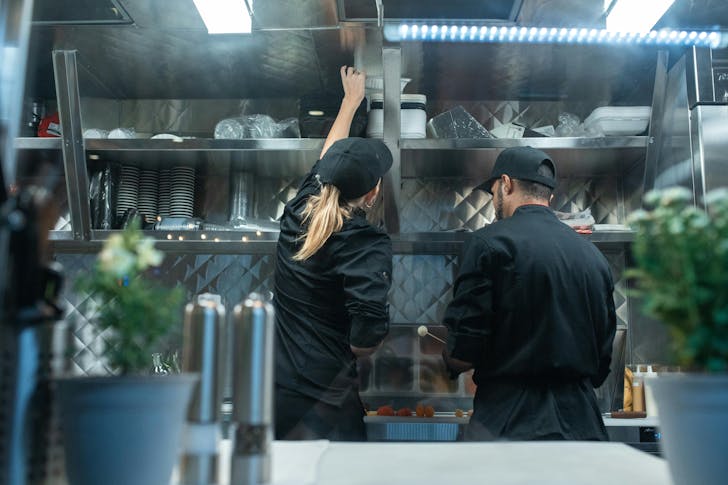
For Carl Leembruggen, general manager at The Leederville Precinct, the first lever is often simplifying the menu without increasing prices. In periods of volatility, venues may tighten their offerings and streamline dishes in an effort to minimise risk.
“We’ll try to absorb as much as we can to begin with and hope things stabilise,” says Carl, noting decreasing portions, increasing prices, and even changing recipes are all potential levers if the situation continues. Given the volatility of the situation, however, "it's a tough call to make on whether we are in a position to increase prices or absorb them at the goodwill of our end customers,” he says.
The increased cost might seem most obvious when we look at imported goods. As diners, we can understand that the specialty olive oil or tinned tomatoes being imported by our favourite Italian place will likely arrive at a higher cost as freight prices climb.
What can be harder to stomach is the impact on local produce. Fuel rationing has already been reported in some rural and regional communities as supply tightens at the bowser. For farmers, there’s a real risk of being left without enough fuel to harvest crops at all, let alone at a margin that provides affordability to their customers.
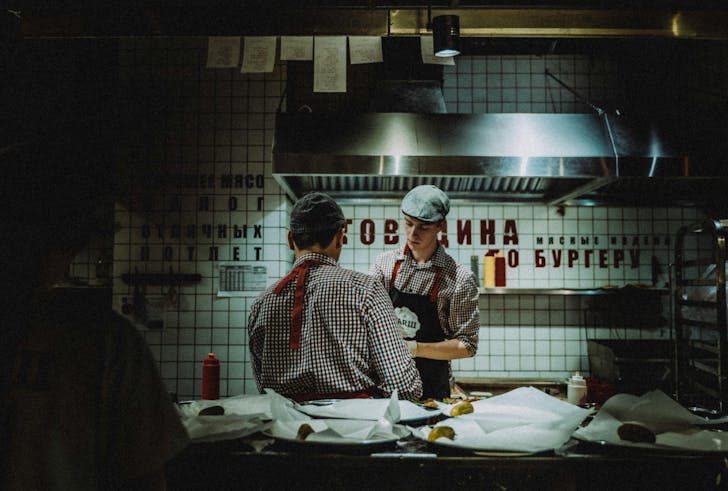
While larger hospitality groups, with more established supply networks and greater bargaining power, might be slightly more cushioned from the impact than neighbourhood venues, make no mistake: the sticker shock you’re feeling when you hit the checkout for your grocery shop is hitting your favourite restaurant tenfold.
At the end of the day, the question becomes unavoidable. How much of these rising costs can restaurants reasonably absorb, and how much will ultimately land on the final bill? For most venues, lifting prices isn’t the first move. Instead, chefs and operators are often looking for ways to adapt—adjusting menus, leaning into seasonal produce, and finding efficiencies wherever they can—all while trying to keep customers coming through the door.
And while rising costs may be an unavoidable reality of the current moment, consider this your reminder that many venues are doing everything they can behind the scenes to keep menus accessible for diners. If you’re able, supporting your favourite venues, whether that’s booking a table at your local bistro, stopping in for a glass of wine at a new bar or grabbing takeaway from a neighbourhood spot, can make a real difference.
And sometimes the biggest difference is the simplest one: a little patience and kindness for the barista frothing your morning coffee, the bartender pouring your wine or the server weaving between tables to deliver plates while they’re still hot.
See more Urban List in Google Search.