I Tried The New iPhone 18 Pro. Here’s My Honest Review
 Gracie Stewart
Singapore and Bali Editor | Urban List
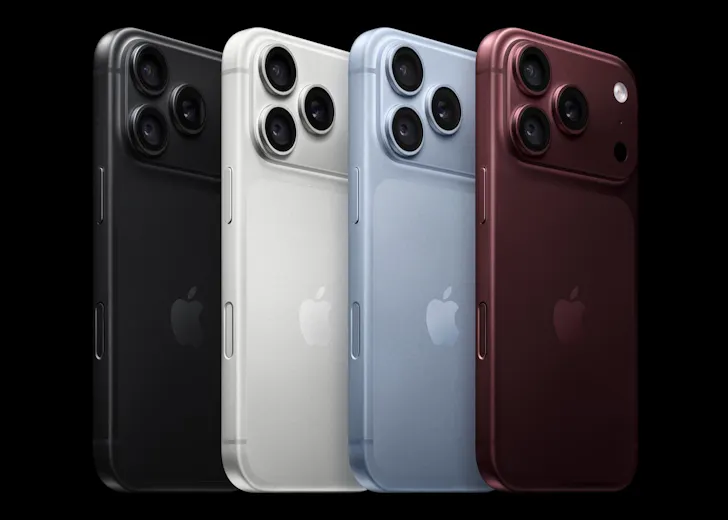
I’ve been using an iPhone 15 for the past couple of years, so switching to the new iPhone 18 Pro gave me a pretty good sense of just how much has changed in three generations. It still feels instantly familiar, but the difference in everyday use is hard to miss.
The camera is the biggest upgrade for me, but it’s not the only one. Everything feels faster and smoother, the battery life has made a noticeable difference to my day, and iOS 27 and Siri AI bring some genuinely interesting new ways to use the phone.
First Impressions: Familiar, But Better
The iPhone 18 Pro doesn’t require any kind of learning curve. Pick it up, transfer everything across and you’re basically good to go, which is one of the things I like most about upgrading iPhones. I don’t want my new phone to come with a user manual and a three-day adjustment period.
There’s a 6.3-inch display, a choice of four finishes including the new Burgundy, alongside Black, Silver and Glacier. Then there’s the new A20 Pro chip, which keeps everything feeling very quick. Apps open instantly, switching between things feels seamless and even when I’ve got approximately 47 things happening at once, the phone doesn’t seem particularly bothered.
The A20 Pro is paired with a next-generation vapour chamber designed to manage heat and improve sustained performance. Apple has also redesigned the internal architecture to help the phone dissipate heat more effectively when you’re doing something demanding, like gaming. Do I understand exactly how all of that works? Absolutely not. Do I appreciate a phone that stays fast when I’m asking it to do a lot? Very much so.
The Camera Is A Big Upgrade
For me, this is where the iPhone 18 Pro really earns its Pro badge. I take a ridiculous number of photos every day, whether it’s the kids, something we’re eating, somewhere we’re travelling or something I’ve spotted while out and about, so having a camera that can keep up is important.
The iPhone 18 Pro has a 48MP Pro Fusion camera system, including a new 48MP Fusion Main camera with variable aperture. In very simple terms, this means the camera can adjust how much light comes through the lens depending on what you’re shooting, while also changing how much of the scene is in focus.
It can do all of this automatically, which is probably how I’ll use it most of the time, or you can manually choose from four aperture settings if you want more control. The aperture ranges from ƒ/1.48 to ƒ/4, so you can open it up for more light and a softer background, or narrow it down when you want more of a scene in focus.
That might sound like photography jargon, but it actually makes a difference in real life. If you’re trying to photograph a group of people, for example, having more control over how much of the scene stays sharp can help. And if you’re taking a photo in low light, the wider aperture lets more light into the camera.
The best part is that you don’t have to understand any of this to get a good photo. The iPhone can make those decisions for you.
Photos look incredibly sharp without feeling overly processed, and there’s plenty of detail when you zoom in. The new Photographic Styles 3 are also fun if you want to give your photos a bit more personality, with new controls for texture and grain.
You can soften skin for a more polished look, or add texture to bring out the interplay between light and shadow. It can change the mood of a photo quite dramatically, which is the sort of feature I’m much more likely to play around with than a complicated editing menu.

Pro controls let you manually adjust settings, such as shutter speed, which can create artful motion blur in photos. Image credit: Apple | Supplied
It’s Excellent For Video, Too
The video capabilities are seriously impressive, particularly if you’re someone who actually uses their phone as a camera rather than just taking the occasional clip.
You can shoot 4K Dolby Vision video at up to 120fps, while Cinematic effects can now be applied after you’ve filmed to videos shot at up to 60fps. That gives you more flexibility when you're editing, rather than having to get everything perfect while you're filming.
The new 18MP Center Stage front camera is another handy addition. It automatically keeps you in frame, which is useful for video calls, selfies and filming yourself without having to constantly reposition the phone.
Basically, if you’re the person who takes 47 photos of your kids doing something mildly interesting and then films the sunset and dinner afterwards, this is a very good phone to have in your pocket.
Battery Life Gets A Very Big Tick
Battery life is one of those things you don’t really think about until you desperately need your phone and it’s sitting at three per cent.
I’ve definitely been caught out at the end of the day with a nearly dead phone when I’ve needed to book a Grab, which is particularly stressful when you’ve got two tired kids with you and no time to hunt around for a charger. So anything that makes me less anxious about my battery gets my attention.
The iPhone 18 Pro is rated for up to 34 hours of video playback, while the iPhone 18 Pro Max goes up to 43 hours. Apple has also improved charging, with both models able to reach up to 50 per cent in around 15 minutes with wired charging, or around 30 minutes wirelessly.
Obviously, real-life battery life depends on what you’re actually doing with your phone, and I’m not spending 34 hours watching video to test that claim. But having more battery headroom is one of those upgrades you appreciate without necessarily thinking about it.
iOS 27 Is A Bigger Part Of The Upgrade Than You Might Expect
One thing I wouldn’t overlook when talking about the iPhone 18 Pro is iOS 27. The new hardware gets a lot of attention, but the software is where you actually spend all day.
iOS 27 feels more responsive and brings a range of small improvements that make the overall experience smoother. And then there’s Siri AI, which is probably the part I’m most curious to see develop.
The new Siri is designed to be much more useful in everyday situations, particularly because it can draw on your personal context. So instead of simply answering a question, it can use information from things like your messages and help you take action on it.
That has the potential to be genuinely useful. If I can ask Siri something based on a conversation I’ve had earlier and actually get it to do something with that information, rather than just sending me off to Google, that feels like a much more natural way of using AI.
There are some other clever additions, too. Notify Me can monitor web pages in Safari and alert you when something changes, which means you could, for example, keep an eye on Urban List Singapore and get a notification when a new article drops. Very handy if you absolutely need to know what’s opening, where to eat and what’s happening in Singapore before everyone else. Visual Intelligence can also identify multiple calendar events and save them to your Calendar in one go.
These are the kinds of features that make me more interested in AI on my phone. I don’t necessarily need my phone to write a poem about my lunch, but helping me deal with the million tiny admin tasks that build up during the day? That I can get behind.
One thing worth knowing is that Siri AI uses an on-device Spotlight index to deliver those more personal experiences. When you first set up a new iPhone, that indexing can take some time, so some personal-data features may not work fully straight away.
Is It Worth The Upgrade?
Coming from an iPhone 15, I’d say yes. The camera is the standout for me, particularly if you’re constantly taking photos of kids, food and travel, while the improved battery life makes a noticeable difference to everyday use.
But it’s the combination of things that makes this feel like a significant upgrade rather than just a new phone with a slightly better camera. The A20 Pro makes everything feel fast, the variable-aperture camera gives you more flexibility without making photography complicated, the battery takes away some of that end-of-day panic, and iOS 27 and Siri AI make the phone feel considerably more capable.
The iPhone 18 Pro starts at $1,899 for 256GB, while the iPhone 18 Pro Max starts at $2,099. Both are available with storage options going up to 2TB. For more information or to purchase, head to Apple Singapore.
Waiting to get your hands on the new iPhone Duo? We will be dropping our full review when it launches next month, but in the meantime you can check out some of our first thoughts here.
Looking for more? Check out:
- Apple’s First Foldable iPhone Is Coming To Singapore. Is It Worth $3000?
- From Ctrl To Command: My Honest Experience Switching From Windows To Mac
- Everything You Need To Know About Apple’s New 14-Inch MacBook Pro And iPad Pro
Main image credit: Apple | Supplied
See more Urban List in Google Search.