The Oil Crunch Is Hitting Singapore: Here’s What It Means For Your Wallet (And Your Travel Plans)
 Gracie Stewart
Singapore and Bali Editor | Urban List
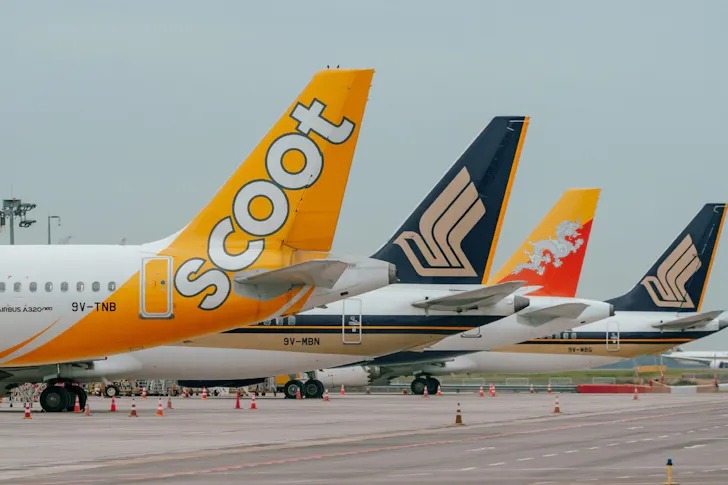
If your Grab rides feel pricier, those Bali flights suddenly look less appealing, and that Batam weekend escape costs more—yeah, you’re not imagining it.
The global oil and energy crunch is officially having a moment, and Singaporeans are feeling it across land, sea, and air. But don’t worry, this isn’t full crisis mode (yet). Let’s get into what’s actually happening and how to deal with it.
So… What’s Causing This Energy Crisis?
In short: geopolitics + supply shock.
Tensions in the Middle East have disrupted key oil routes like the Strait of Hormuz, where about 20% of the world’s oil supply passes through. That’s sent global oil prices climbing fast, and because Singapore imports almost all its energy, we feel it immediately.
Why Singaporeans Are Feeling The Pinch
This isn’t abstract, it’s already showing up in your daily life (and your bank account).
Transport Costs Are Creeping Up
Petrol prices are rising, which means:
- Higher ride-hailing fares (Grab has just imposed a temporary fuel surcharge adjustment from $0.50 to $0.90 per trip from 7 April to 31 May 2026)
- More expensive deliveries
- Pressure on overall transport costs
Basically, anything that moves = costs more.
Flights Are Getting More Expensive
Airlines are dealing with rising jet fuel costs, which means:
- Pricier tickets
- Possible fuel surcharges
- Less flexibility on routes
Your spontaneous travel era? Slightly less spontaneous.
Ferry Getaways Now Come With Extra Fees
Your quick island escape just got a little less cheap.
- Batam ferries: +$6 fuel surcharge per passenger each way
- Desaru ferries: +$12 fuel surcharge per passenger each way
- Pengelih ferries: +$6 surcharge per passenger each way
These fees kicked in mid-March and, in some cases, even apply to tickets that were already purchased.
Some ferry operators have also reduced frequency to cope with rising fuel costs, so expect fewer departure options too.

Image credit: Changi Airport | Facebook
What The Singapore Government Is Doing
The vibe right now? Calm, cautious, and quietly strategic.
- Supply remains stable: Singapore isn’t running out of fuel. Stockpiles are intact and supply lines are still open.
- Monitoring the situation closely: Authorities are keeping a close watch and may step in if prices escalate further.
- Holding off additional costs: Singapore has delayed new aviation-related charges to avoid piling more costs onto travellers (for now).
Not All Doom And Gloom
Yes, things are more expensive, but this moment is also pushing change:
- Faster adoption of renewable energy
- Smarter, more efficient transport systems
- Greater awareness around energy consumption
Basically, the crisis is accelerating shifts that were already overdue.
What You Can Actually Do
No need to overhaul your life, but small changes help.
- Be smarter with energy: Set your AC to 24–25°C and switch appliances off properly.
- Rethink your commute: Take public transport when you can or combine trips.
- Plan travel ahead: Book flights earlier and stay flexible with dates.
- Budget for surcharges: Factor in extra fees for ferries and flights so there are no surprises.
So yes, the oil crunch is hitting in very real ways, but the good news is supply is stable, the government’s on it, and we’ve handled worse. And yes, your next trip away might cost more, but let's be real, you’re still going to book it anyway.
Looking for more? Check out:
- Singapore Restaurants Land Four Spots On Asia’s 50 Best Restaurants 51–100 List For 2026
- Singapore Cocktail Crossover Is Landing This June With Citywide Pop-Ups And A Festival Finale
- Apple Just Upgraded Its Air Lineup: Meet The New MacBook Air M5 And iPad Air M4
Main image credit: Changi Airport | Facebook
See more Urban List in Google Search.