Singapore Haze Update: Air Pollution Hits Very High Levels As N95 Masks Are Distributed
 Gracie Stewart
Singapore and Bali Editor | Urban List
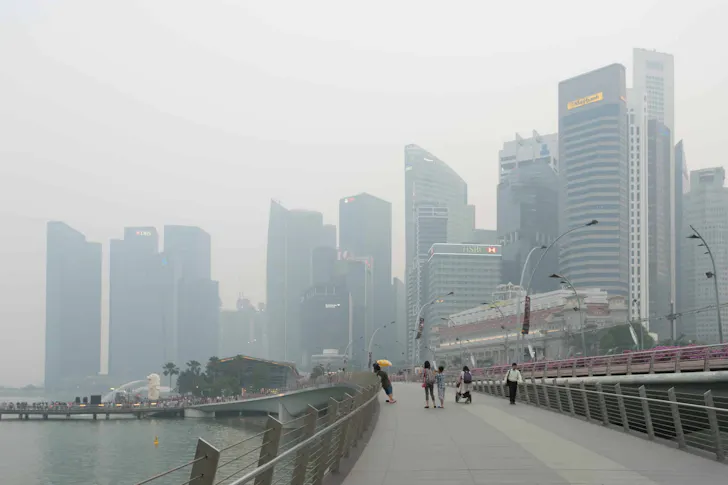
Singapore’s haze situation has taken a concerning turn today (14 October, 20206), with air pollution levels reaching the Very High band for the first time this haze season. The one-hour PM2.5 reading in the west surged to 284 micrograms per cubic metre at 2pm, while the 24-hour Pollutant Standards Index (PSI) remained in the unhealthy range across the island. The National Environment Agency (NEA) has warned that the 24-hour PSI could climb into the Very Unhealthy range over the coming day.
In response, the Government has brought forward the distribution of N95 masks to vulnerable Singaporeans, with supplies being rolled out from 14 October. Eligible groups include seniors from the Pioneer and Merdeka Generations, CHAS Blue and Orange cardholders, pregnant women, children aged seven to 16, and people with medical conditions such as asthma. Masks are being distributed through community clubs, selected public transport hubs, Social Service Offices and other designated venues, although availability will vary by location.
If you or someone in your household is eligible, check HazeMaskGoWhere for collection points and live stock updates before heading out. Each eligible person can collect a pack containing two N95 masks, subject to availability.
For everyone else, it’s a good time to rethink outdoor plans. NEA advises healthy individuals to reduce prolonged or strenuous outdoor exercise when the 24-hour PSI is unhealthy, and avoid it if conditions become very unhealthy. Children, pregnant women and older adults should minimise outdoor activity in these conditions, while people with chronic heart or lung conditions should take extra precautions. Keep an eye on the latest NEA haze updates and hourly PM2.5 readings, as conditions can change throughout the day.
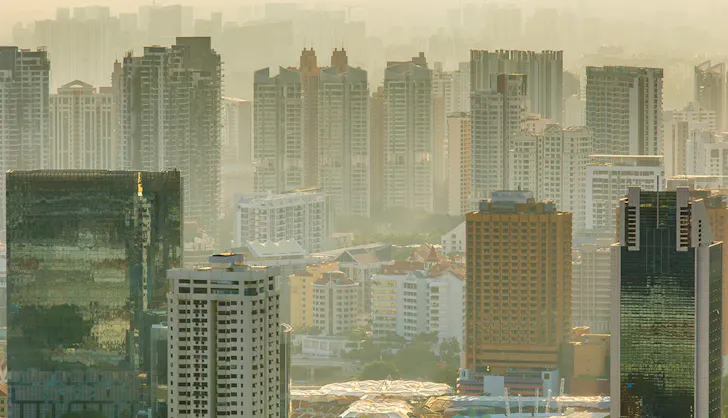
Image credit: Health Hub | Website
September 2026
If Singapore suddenly starts looking a little hazy, there's a reason. The Government has been stepping up preparations for a potential haze episode, with agencies reviewing their plans as dry and hot conditions across the region increase the risk of fires—and potentially, smoke drifting our way.
That doesn't mean Singapore is definitely heading for a full-blown haze crisis. Whether smoke actually reaches us depends on where fires are burning, how intense they are, wind direction and rainfall. But with conditions looking less than ideal, it's a good time to know what to look out for.
So, What's Causing The Haze Risk?
Much of the concern comes from fires in parts of Indonesia, particularly Sumatra and Kalimantan. Hotter and drier conditions linked to El Niño are making it easier for fires to start and spread, while the prevailing winds can potentially carry smoke towards Singapore.
Singapore's Government Haze Task Force, led by the National Environment Agency, has been reviewing its preparations and has plans in place for different levels of haze.
How Will You Know If The Haze Is Bad?
Keep an eye on Singapore's Pollutant Standards Index (PSI) and, particularly, the one-hour PM2.5 readings.
The PSI gives you a broader picture of air quality, while PM2.5 measures tiny particles that can penetrate deep into the lungs. If you're deciding whether to head out for a run, take the kids to the playground or spend the afternoon outside, the PM2.5 reading is particularly useful.
As a general guide, a PSI of 101 or above is considered unhealthy.
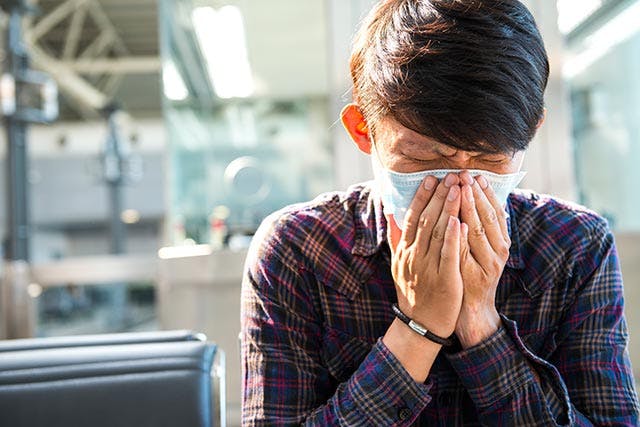
Image credit: Health Hub | Website
What Does Haze Do To Your Health?
Even relatively mild haze can cause irritated eyes, a scratchy throat, coughing and breathing discomfort.
As the air quality worsens, the risks increase, particularly for children, older people, pregnant women and those with existing heart or lung conditions. If you develop significant breathing difficulties, chest pain or other worrying symptoms, seek medical attention.
How Can You Protect Yourself?
The good news is there are some very easy things you can do if the air quality deteriorates:
Check the air quality: Use the myENV app or NEA's official updates rather than relying on how hazy the sky looks.
Limit outdoor exercise: If the PSI rises into the unhealthy range, swap your outdoor run for an indoor workout.
Keep windows and doors closed: Particularly when outdoor air quality is poor.
Use an air purifier: A purifier with an appropriate filter can help reduce indoor particulate pollution.
Wear an N95 if needed: If you have to spend time outdoors during unhealthy haze, a properly fitted N95 mask can help reduce exposure to fine particles.
Look after kids and vulnerable family members: Consider moving outdoor play and activities indoors when air quality worsens.
Should You Be Worried?
Not yet, but it's worth being prepared. The Government is monitoring the situation closely, and Singapore has an established system for responding if haze levels deteriorate.
So, rather than panic-buying every air purifier in Singapore, just keep an eye on the readings, dig out those N95s if you already have them and maybe have a few indoor activities ready to go.
Looking for more? Check out:
- The Old Stamford Court Is Officially Reopening As Your Next Must-See Lifestyle Destination
- Singaporeans Are Heading Back To Western Australia In Record Numbers—Here’s Why
- Nipah Virus Explained: What It Is, Where It’s Been Found And What It Means For Travellers
Main image credit: NUS | Website
See more Urban List in Google Search.