
Tick Off All The Best Things To Do In Uluṟu
 Morgan C Reardon
Contributor | Urban List


Uluṟu is undoubtedly one of Australia's most recognisable landmarks. Rooted in the nation's rich history and culture and home to the traditional custodians, the Aṉangu, seeing this beauty in real life is something every Aussie should do at least once—and if you can swing a return trip, even better.
With direct flights from Sydney, Melbourne, Brisbane and Cairns, getting there has never been easier. So if Uluṟu has been sitting on your travel wish list for a while, consider this your sign to stop putting it off.
From sunrise walks and desert dining to cultural experiences and once-in-a-lifetime adventures, we've rounded up everything every first-timer should know before they go.
How To Get To Uluṟu
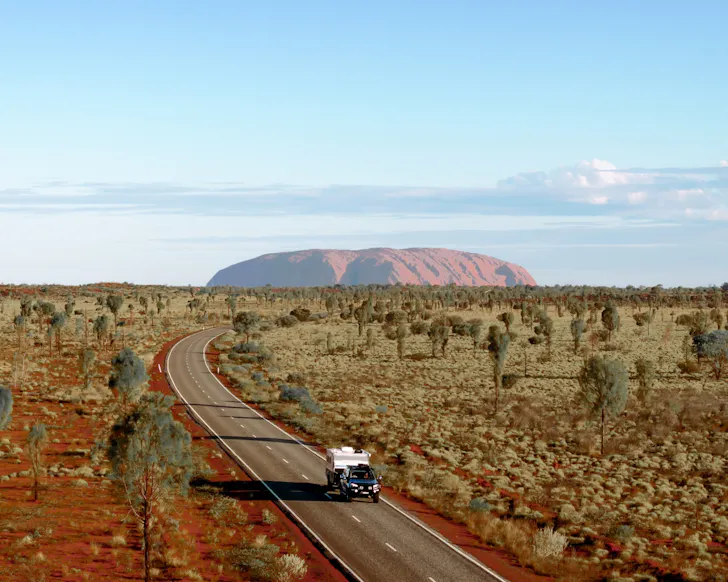
Image credit: Voyages Tourism Australia | Supplied
The town of Yulara is just an 18km drive from Uluṟu and is where most travellers will base themselves when visiting. It’s about a five-hour drive from Alice Springs, which can be done via hire car or coach—sure, it will take a while, but honestly, the views are worth it. Don't be surprised if your first glimpse of Uluṟu gets you a little emotional—or your first wild kangaroo sighting becomes an instant core memory.
Alternatively, you can also fly directly into Connellan/Ayers Rock Airport, just a 10 minute drive from Yulara. Qantas, Jetstar and Virgin fly in and out of here from most major cities, with a direct flight from Sydney, Melbourne or Brisbane taking just over three hours. Insider tip: Trust us on this one—book a window seat on the left-hand side. Your first glimpse of the Red Centre from above is worth every second spent craning your neck.
The Best Time To Visit Uluṟu
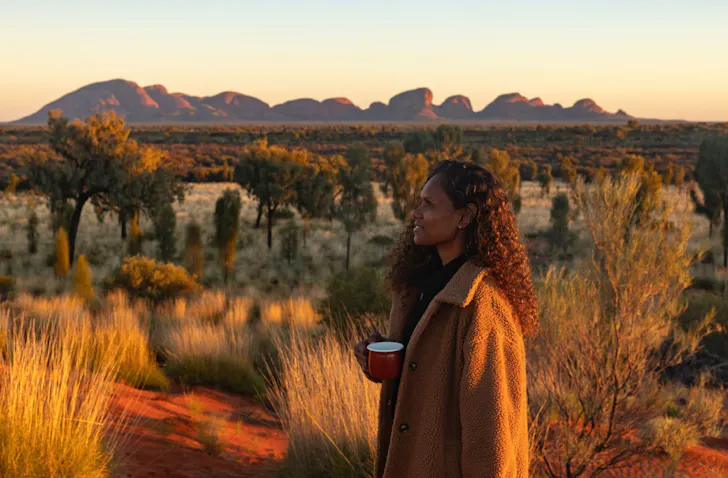
Image credit: Tourism & Events NT / Joshua Griffin
While Uluṟu-Kata Tjuṯa National Park is stunning year-round, the desert temperatures vary greatly between seasons, so you’ll want to pick the right month for you if you struggle with extreme heat or cold.
The sweet spot, if you will, lies between May and September, when the maximum temperature during the days sits between 20 and 30 degrees and little to no rain is expected. Remember, it’s a dry heat in the desert, so it’s a lot more bearable than 30 degrees up north in the tropics. Overnight, especially around July, it can get as low as four degrees, so pack layers. If you want to see the park’s gorgeous wildflowers in bloom, aim for August and September.
From October to March, daytime temps will hover around 35 to 38 degrees. The positive? It's the rainy season, so you might even experience downpours that will fill waterholes and ignite Uluṟu’s waterfalls—it's one of the Red Centre's rarest spectacles.
The Best Things To Do In Uluṟu
First things first: you'll need a park pass to enter Uluṟu–Kata Tjuṯa National Park. It costs $38 for adults (kids aged 17 and under are free), with each pass lasting three days, and you can grab yours here.
Uluṟu
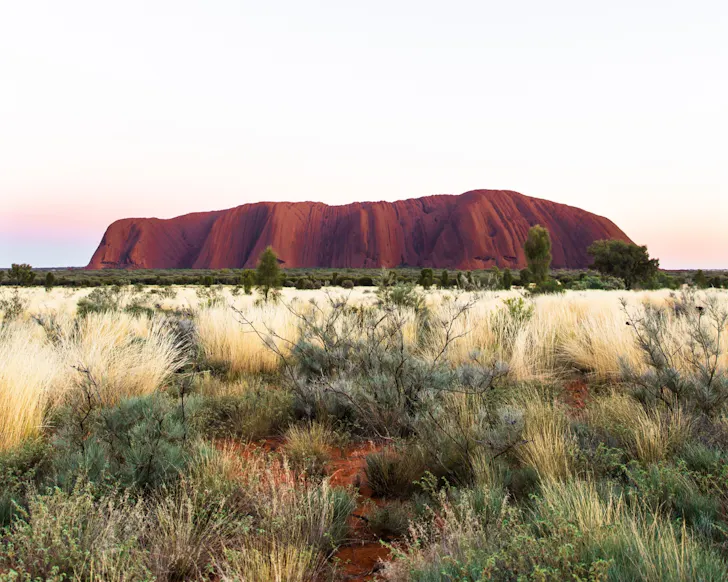 Image credit: Voyages Tourism Australia | Supplied
Let's start with the obvious—and the reason you're here—Uluṟu. Standing taller than the Eiffel Tower in Paris (and Melbourne's Eureka Tower, for that matter), it's one of those landmarks that somehow looks even more impressive in real life. Photos don't quite prepare you for the sheer scale of it.
One of the coolest things about Uluṟu is how it changes throughout the day. From burnt orange in the morning to deep plum by sunset, it's hard to believe you're looking at the same landscape.
We loved getting there early to catch the sunrise. If that's your kind of morning too—and you want to knock over the 12km base walk before the flies and heat really kick in—book onto an Uluṟu Segway Tour. You'll fuel up with brekky and plenty of coffee before joining a small-group tour around the base of Uluṟu and Muṯitjulu Waterhole. It's one of the best ways to appreciate Uluṟu from every angle.
Insider tip: There are plenty of signs explaining which parts of Uluṟu can and can't be photographed. When in doubt, keep your camera down and take a mental snapshot instead—it's a simple way to show respect for Aṉangu and the cultural significance of this special place.
Kata Tjuṯa (The Olgas)
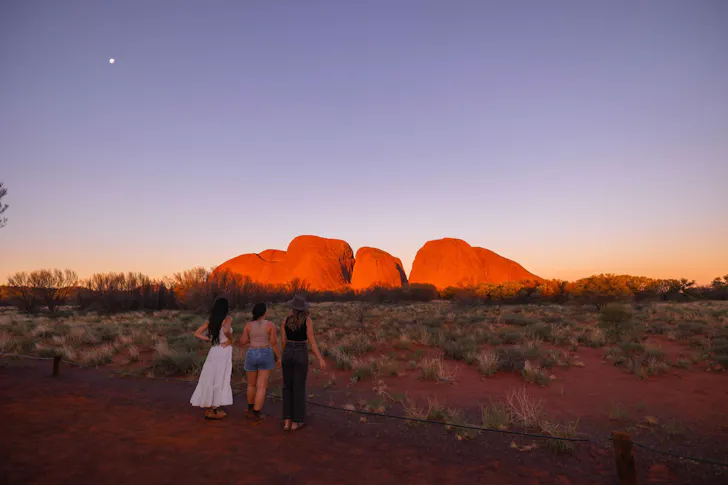
Image credit: Tourism & Events NT Kata Tjuta/The Olgas
Located around 35km from Uluṟu lies Kata Tjuṯa, a cluster of soaring rock domes that will absolutely take your breath away. Kata Tjuṯa is a Pitjantjatjara word meaning ‘many heads’, which makes sense seeing as there are thought to be around 36 of them spread over the 20km site. Rising up out of the red dirt, the domes are thought to be around 500 million years old.
The beauty of Kata Tjuṯa is that it never looks quite the same twice. As the light shifts and you move between the giant domes, the landscape constantly transforms. There are several walks that let you experience it up close. Our pick? The Valley Of The Winds walk. This three-hour hike winds through the towering domes before rewarding you with two lookout points that show off just how enormous Kata Tjuṯa really is. Visiting in summer? Set your alarm and tackle it early before the heat rolls in.
Finally, for the Aṉangu, Kata Tjuṯa is an extremely important site for men’s business, so always remember, first and foremost, you’re a guest here.
Walpa Gorge
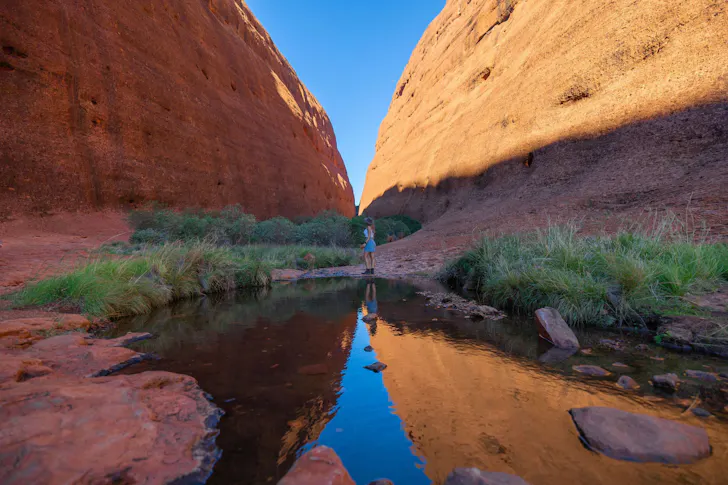
Image credit: Tourism & Events NT
Perhaps the lesser-known counterpart to Uluṟu, but no less impressive, Walpa Gorge is a must-visit while you're exploring Kata Tjuṯa. Towering rock walls, rugged walking tracks and pockets of surprising greenery—including delicate pink daisies after rain—make this one feel worlds away from the open desert.
Follow the 2.6km return walk into the heart of the gorge and keep an eye out for wallabies along the way. One of the best parts? The silence. It's the kind of quiet you don't realise you've been missing until you're standing in the middle of it.
Sounds Of Silence Dinner
When we said Uluṟu was gorgeous from sunrise to sunset, we meant it. To capture it as the sun sinks, book yourself in for a once-in-a-lifetime feast at the Sounds Of Silence dinner. Your evening will go like this: after being picked up from your accommodation, you’ll cross beautiful sand dunes with the sound of the didgeridoo playing in the distance. On a special viewing platform, you’ll sip (bottomless) champagne and nibble on canapes as you watch Uluṟu, in spectacular fashion, drift off for the night.
As night falls, you'll be led deeper into the desert to your table, where a native-inspired menu celebrating local ingredients awaits. Think: lemon myrtle barramundi, native dukkah crusted kangaroo, pepperberry roasted cauliflower and desert lime cheesecake. The night is capped off by a talk from a resident astronomer who will help you locate everything from the signs of the zodiac to the Milky Way above.
Field Of Light
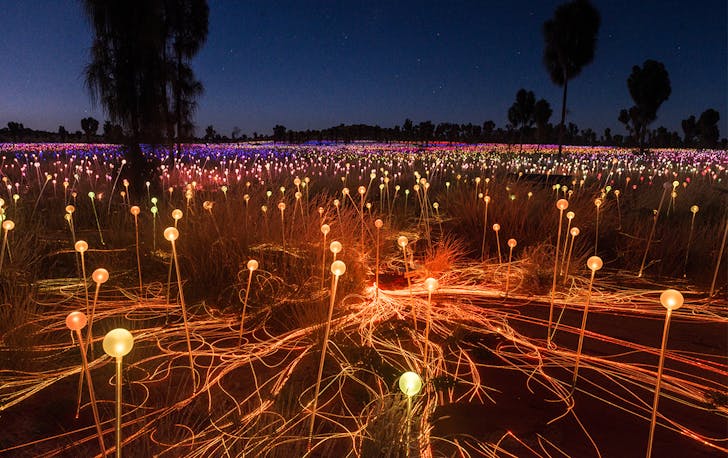
Image credit: Tourism & Events NT
Now celebrating its 10th year, Bruce Munro's desert installation, Field of Light, has become one of Uluṟu's most unforgettable experiences, attracting over 750,000 guests so far—and it's not hard to see why.
More than 50,000 glowing spheres blanket the desert in waves of ochre, violet, blue and soft white, stretching across an area the size of seven football fields, inspired by the desert wildflowers blooming after rain.
There are now three ways to experience the magic: the four-hour Field of Light Dinner with dune-top canapes and drinks, then dinner seated by the flowing field with a star talk and wandering time included; the Star Pass with sundowners, canapes and the star talk; or General Admission, which involves a quick coach trip and stroll through the exhibition. It's the kind of experience that's impossible to capture properly on your phone—you just have to see it for yourself.
Uluṟu–Kata Tjuṯa Cultural Centre
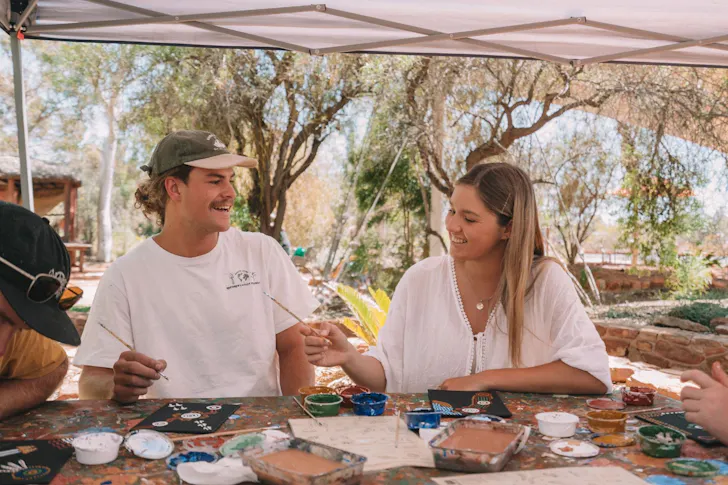
Image credit: Tourism & Events NT/Salty Aura Maruku Arts - Gallery & Cultural Tour
Before you lace up your hiking boots, spend some time at the Uluṟu–Kata Tjuṯa Cultural Centre. It's the best way to deepen your understanding of Aṉangu culture and the living landscape you're about to explore.
Don't miss the Tjukurpa Tunnel, where immersive displays share Aṉangu creation stories, traditions and culture. (Just remember—no photography is permitted inside.)
Then wander through the two Aboriginal-owned art centres. Maṟuku Arts showcases handcrafted puṉu (traditional wood carvings), paintings and jewellery created by Aṉangu artists from across the Central and Western Desert. Next door, Walkatjara Art is where you can often watch artists at work and learn about the stories behind their paintings. Every purchase directly supports local artists and their communities.
Insider tip: Grab a coffee and snacks from Ininti Cafe before heading out. It's the only place to buy food and drinks inside Uluṟu–Kata Tjuṯa National Park—and, like the rest of the Cultural Centre, it's 100% Aboriginal-owned.
Where To Stay In Uluṟu
Most visitors base themselves in Yulara, where you'll find everything from campgrounds and budget stays to self-contained apartments and luxury hotels. Here's where we'd check in.
Camping
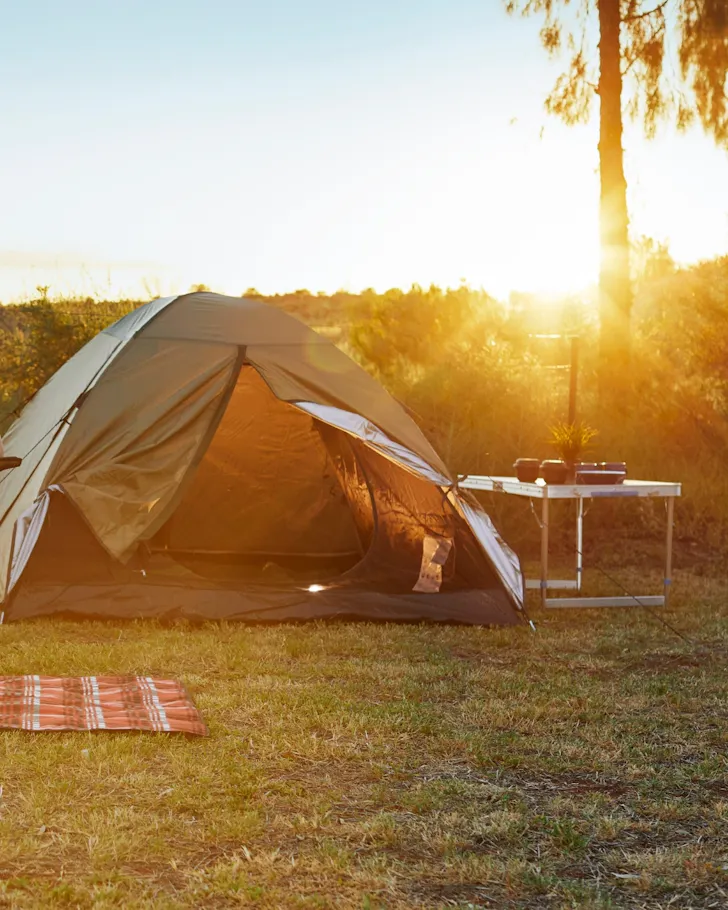 Image credit: Voyages Tourism Australia | Supplied
Budget-conscious folks or those wanting to really immerse themselves in nature can pitch a tent at Ayers Rock Campground. There’s a range of options depending on your style and your level of roughing it.
There are air-conditioned cabins plus powered and unpowered sites for your tent or caravan. The grounds are surprisingly lush considering you’re in the middle of the desert and provide a solid line-up of facilities, including a swimming pool, BBQs, an outdoor kitchen and a self-service laundry.
Luxury Glamping
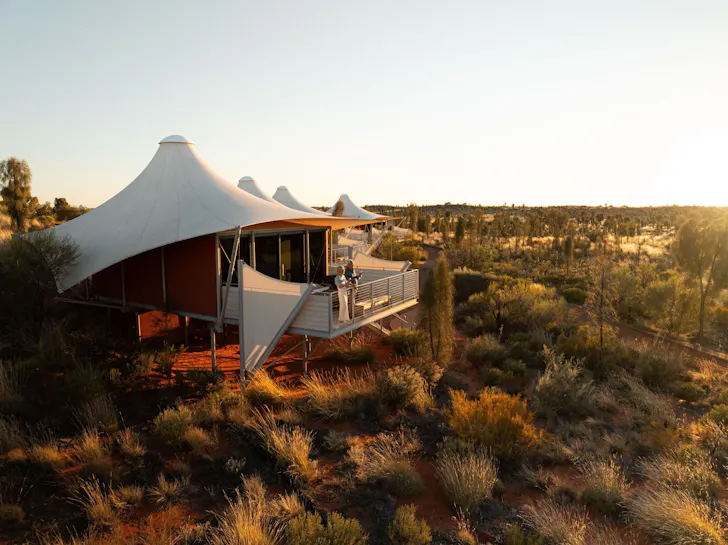
Image credit: Tourism & Events NT/Safari Global
Think glamping, then forget everything you just pictured. Longitude 131° is on another level. With just 16 luxury tented pavilions overlooking Uluṟu and Kata Tjuṯa, this is where you'll find plush beds, fireplaces, rain showers and private decks—plus a handful of tents with their own plunge pools.
Add Spa Kinara and some seriously good dining into the mix, and you've got the kind of stay that quietly ruins every other camping trip for you.
Apartment
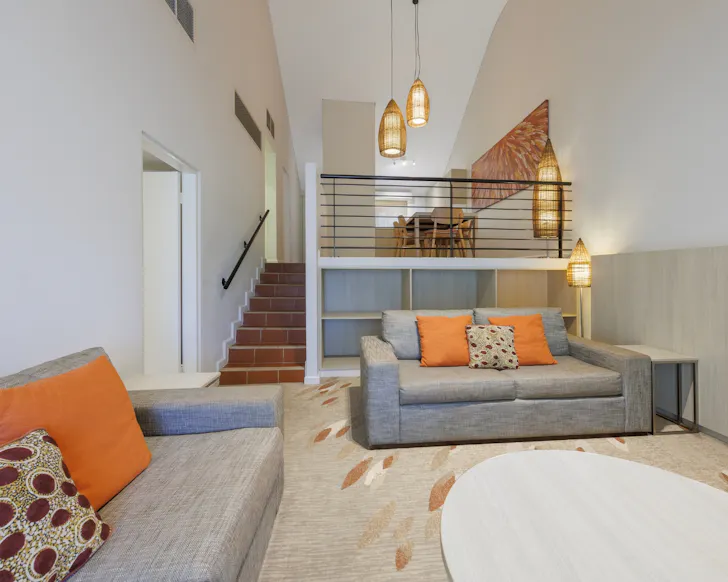 Image credit: Voyages Tourism Australia | Supplied
Travelling with a crew? Give everyone a little breathing room at Emu Walk Apartments. Just 20km from Uluṟu, these self-contained apartments come with separate bedrooms, a full kitchen and a spacious living area, so you can spread out after a big day exploring.
Better yet, you're only a short stroll from Yulara's Town Square, where you'll find cafes, restaurants, a supermarket and a handful of shops to stock up on snacks or pick up a souvenir before heading home.
Resort
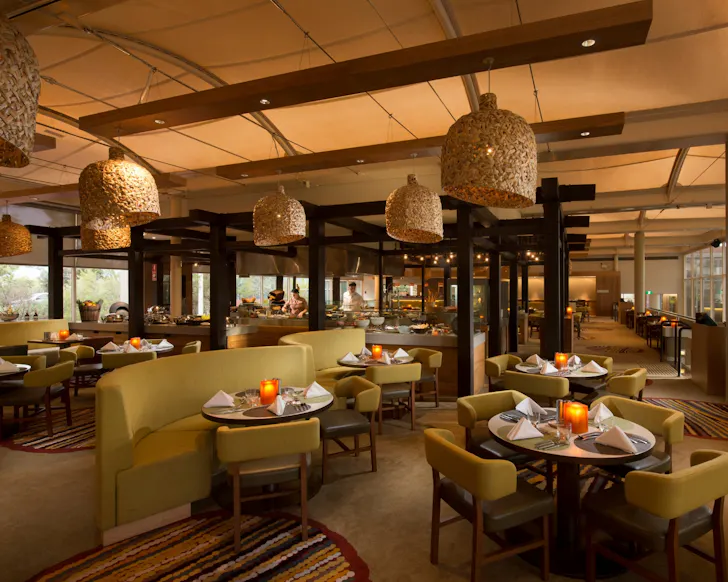 Image credit: Voyages Tourism Australia | Supplied
Prefer your adventures with a side of five-star comfort? Check into the five-star Sails in the Desert. Expect spacious rooms, marble bathrooms and a sprawling pool that's exactly what you'll want after a day exploring the Red Centre. While you're there, wander through the Indigenous artworks at Mulgara Gallery, have a delicious meal at Ilkari Restaurant, and carve out time for a treatment at Red Ochre Spa—your legs will thank you.
Inspired to see more of the stunning NT? Check out this guide of all the best things to see and do.
Main Image Credit: Tourism & Events NT